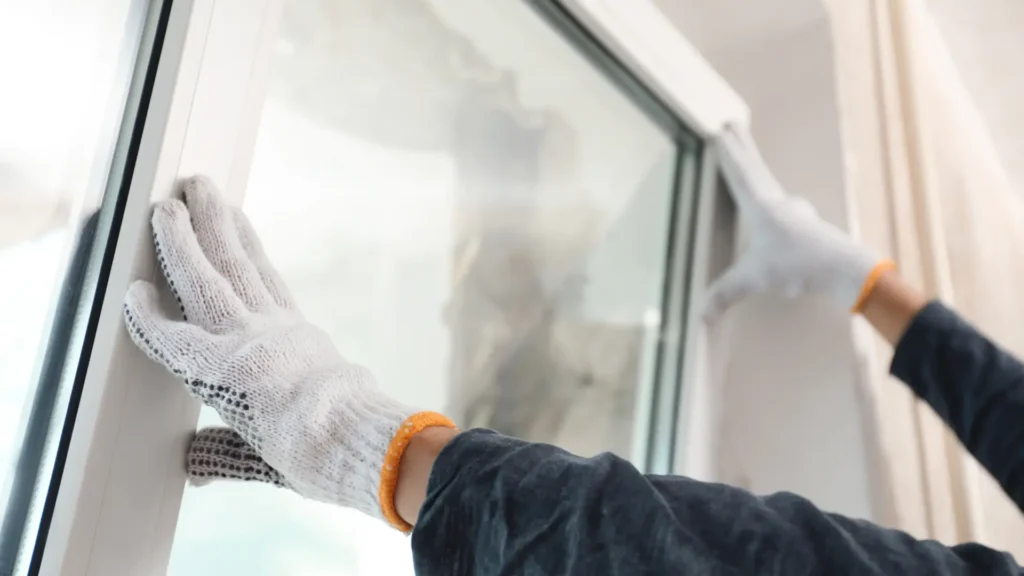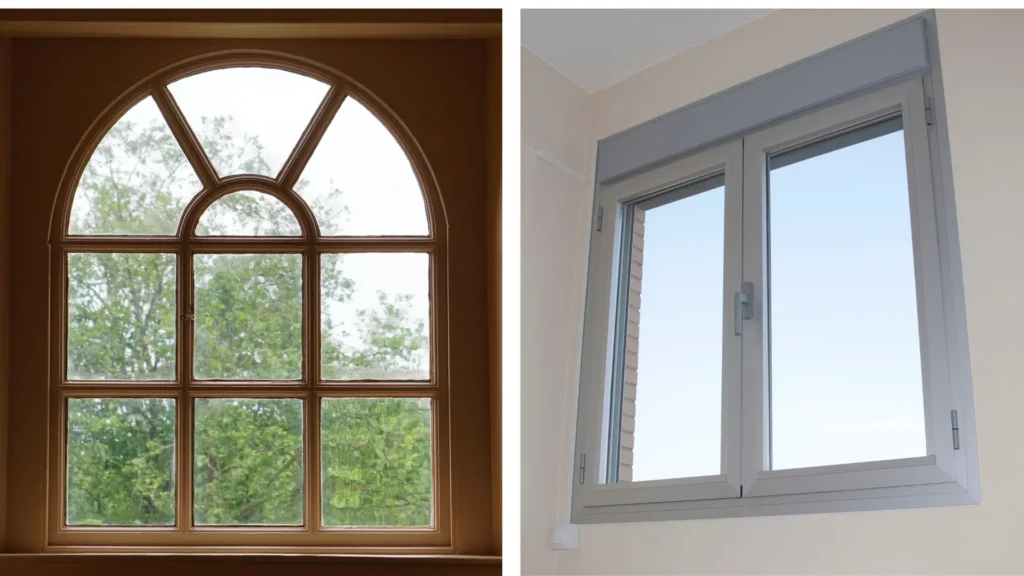


Welcome to our guide on how retrofit double glazing works in New Zealand, where we break down everything you need to know in plain, everyday language. If you’re tired of cold draughts in winter, rising power bills, or outside noise disrupting your peace, retrofit double glazing could be the solution your home needs. Instead of replacing your entire window frames, this process upgrades your existing windows with modern double-glazed units, helping you keep the character of your home while improving comfort and energy efficiency. In the next sections, we’ll explain exactly how the process works, why it’s popular among Kiwi homeowners, and how to decide if it’s right for your property.
Retrofit double glazing in NZ works by replacing your existing single glass panes with double-glazed units while keeping your original window frames. Installers remove the old glass, fit two panes separated by a sealed air or gas gap, and secure them with insulation and weatherproof seals. This upgrade improves warmth, reduces noise, and cuts energy costs without changing the look of your home.
Table of Contents
What Is Retrofit Double Glazing?
Retrofit double glazing is a window upgrade method where the existing window frames remain in place, but the old single-glass panes are replaced with modern double-glazed units. In simple terms, “retrofit” means improving or updating something that already exists rather than replacing it entirely. This approach is designed for homeowners who want the benefits of double glazing without the expense or disruption of installing brand-new windows.
Unlike a full window replacement, which involves removing the entire frame and fitting a completely new unit, retrofitting keeps your current frames intact. Only the glass is swapped out for two panes separated by a sealed air or gas-filled gap, which works as insulation. This makes the process faster, less invasive, and more affordable while still delivering significant improvements in energy efficiency, noise reduction, and comfort.
Retrofit double glazing has become increasingly popular in New Zealand for several reasons: cost savings compared to full replacements, the ability to preserve the original look of heritage and character homes, and the potential to meet or exceed current building regulations for thermal performance. It’s especially attractive to Kiwi homeowners who want to keep the charm of their existing windows while still enjoying the warmth, quiet, and energy savings that come with modern glazing technology.

How Retrofit Double Glazing Works – Step By Step
Retrofit double glazing is a straightforward yet precise process that upgrades your existing windows without the need for full frame replacement. Each stage is important to ensure you get the best results in terms of energy efficiency, comfort, and appearance. Here’s a clear breakdown of how it works from start to finish.
Assessment Stage: Checking Frames, Measuring Glass, And Planning
The first step is a thorough inspection of your current windows. An installer will check the condition of the frames to make sure they are strong enough to hold the new double-glazed units. This is especially important in older NZ homes where timber or aluminium frames may need minor repairs before the upgrade. Precise measurements of the glass are taken to ensure a perfect fit. The planning phase also includes choosing the right glass type for your needs, such as low-emissivity (Low-E) glass for better insulation or laminated glass for extra noise control.
Removal Of Old Glass: How The Single Glazing Is Carefully Taken Out
Once everything is planned, the old single-glass panes are removed. This is done with care to avoid damaging the existing frames, particularly in heritage or character homes. The installer will remove the putty, beading, or clips holding the glass in place before lifting the pane out. At this stage, any damaged frame sections can be repaired or reinforced to ensure they’re ready for the new unit.
Installing The New Double-Glazed Unit: Two Panes, Spacer Bar, And Sealed Air Gap
The new unit consists of two panes of glass separated by a spacer bar, which creates a gap filled with air or an insulating gas like argon. This sealed gap acts as a barrier to heat transfer, keeping your home warmer in winter and cooler in summer. The installer carefully fits the unit into the existing frame, ensuring it sits securely and evenly. This step is critical to achieve an airtight seal and prevent any draughts or leaks.
Sealing And Finishing: Weatherproofing, Insulation, And Aesthetic Finish
Once the unit is in place, it is sealed with high-quality weatherproofing materials to keep out moisture and wind. Additional insulation may be added around the edges for maximum thermal performance. The finishing touches include replacing beading or trim so the window looks neat and matches the rest of your home’s design. The result is a window that retains the character of your property while delivering all the benefits of modern double glazing.
Visual Description Of The Process
Imagine your old single-glass window being replaced by a slim, double-layered glass panel that fits neatly into the same frame. The two glass panes are held apart by a narrow spacer, and the space between them is sealed with insulating gas. Around the edges, strong seals and weatherproofing materials ensure no air or moisture gets in. From the outside, the upgrade looks subtle, but from the inside, you feel the difference in warmth, quietness, and comfort.

Key Benefits For NZ Homes
Retrofit double glazing offers a range of practical advantages for New Zealand homeowners, making it a popular choice for both modern and older houses. By upgrading existing single-glazed windows to double-glazed units, you can enjoy improved comfort, lower running costs, and a healthier indoor environment without losing the charm of your original windows. Here’s a closer look at the main benefits:
- Better Insulation: One of the biggest reasons Kiwi homeowners choose retrofit double glazing is for its insulation value. The two layers of glass, separated by a sealed gap of air or inert gas, create an effective barrier that slows heat transfer. This means your home stays warmer for longer during the cold winter months and cooler in the summer, reducing temperature fluctuations and making indoor spaces more comfortable year-round.
- Lower Energy Bills: With improved insulation, your home needs less heating in winter and less cooling in summer. This directly reduces your reliance on heaters, heat pumps, or air conditioning systems. Over time, the savings on electricity or gas bills can be significant, helping to offset the initial investment in retrofit double glazing.
- Noise Reduction: For homes located in busy suburbs, near main roads, or close to schools and businesses, outside noise can be a daily frustration. Retrofit double glazing adds an extra layer of protection against unwanted sounds, creating a quieter and more peaceful living environment. The difference is especially noticeable during rush hours or at night when traffic or neighborhood noise is more apparent.
- Condensation Control: Condensation on windows is more than just an inconvenience; it can lead to mould growth, damage to window frames, and a damp, unhealthy atmosphere inside the home. The insulating gap in double glazing helps keep the inner pane warmer, reducing the chances of condensation forming on the glass. This results in a drier, healthier home environment, especially during colder months.
- Preserving Existing Frames: Many New Zealand homes, especially older or heritage properties, have unique window frames that add character to the building. Retrofit double glazing allows you to keep these original frames intact while still upgrading the glass for modern energy performance. This approach not only maintains the property’s charm but also avoids the higher costs and potential compliance issues of full window replacement.
Retrofit double glazing delivers real, everyday benefits for NZ homes, from improved comfort and energy savings to protecting your home’s character and value.

How To Know If Your Home Is Suitable
Determining if your home is suitable for retrofit double glazing is an important first step before committing to the project. While the process works for many New Zealand homes, certain factors can influence whether it will deliver the best results for your property. Below are the main points to consider when assessing suitability:
- Frame condition check: The condition of your existing window frames plays a key role in deciding if retrofit double glazing is a viable option. Frames that are in good shape, without significant rot, warping, or structural damage, are often suitable for the upgrade. If the timber is solid or the aluminium frames are free from corrosion, the new double-glazed units can be installed securely. Damaged or weakened frames, on the other hand, may require repairs or full replacement to ensure the glazing will perform well over time.
- Type of window (timber, aluminium): Retrofit double glazing can be applied to both timber and aluminium frames, but the process may differ slightly depending on the material. Timber frames are common in older NZ homes and are generally easy to adapt for retrofit glass. Aluminium frames, especially those with existing single glazing, can also be upgraded, though some may need additional modifications to hold the new glass units effectively. Knowing the type of frame you have helps the installer choose the right technique for a snug, long-lasting fit.
- Orientation and climate in your NZ region: The location of your home and the direction your windows face can affect how much benefit you’ll get from retrofit double glazing. In colder regions like Otago or Canterbury, the improved insulation can make a significant difference in keeping your home warm during winter. If your windows face prevailing winds or receive intense afternoon sun, the upgrade can also help regulate indoor temperatures year-round. By considering both orientation and local climate, you can better understand how much value this investment will add to your comfort and energy savings.
By checking your frames, knowing your window type, and factoring in your local climate, you can confidently decide if retrofit double glazing is the right choice for your home.

Cost And Timeframe In NZ
When considering retrofit double glazing for your home, understanding the cost and timeframe can help you plan your budget and expectations. The price will vary depending on your specific needs, the type of windows you have, and the scope of the work. In New Zealand, homeowners often find that retrofit double glazing is a more affordable alternative to full window replacement, especially when preserving existing frames is important.
- Average NZ pricing range per window: On average, retrofit double glazing in New Zealand can range from around $350 to $800 per window. This range depends on the glass type chosen, such as standard double glazing, low-emissivity (Low-E) glass, or argon-filled units. Larger windows, specialty glass, or extra insulation features will naturally fall on the higher end of the scale.
- Factors that affect cost: Several elements can influence the final price. The size and shape of your windows play a significant role, as larger or irregularly shaped panes require more materials and labour. The existing frame condition matters too, windows with damage or decay may need repairs before installation. The type of frame material, whether timber, aluminium, or uPVC, can also impact the complexity and cost of the job. Additionally, the choice of glazing features, like thermal coating, laminated glass for security, or noise-reducing technology, will influence the overall investment.
- Typical installation time: The timeframe for retrofit double glazing is relatively short compared to full replacements. Most homes can have the work completed in one to two days, depending on the number of windows and any preparation required. Smaller jobs or straightforward window designs may be finished in a single day, while larger properties or homes with more complex installations might take slightly longer.
By knowing the typical costs, influencing factors, and installation timelines, you can make a clear and confident decision about whether retrofit double glazing is the right choice for your New Zealand home.

Choosing The Right Retrofit Double Glazing Installer
Selecting the right retrofit double glazing installer in New Zealand can make the difference between a smooth, long-lasting upgrade and costly mistakes. The process involves precision, skill, and an understanding of local building conditions, so it’s important to take the time to find a trusted professional who meets key criteria.
- First, check experience with NZ homes: Not all homes are built the same, and properties in New Zealand often have unique features such as timber joinery, older aluminium frames, or heritage designs. An experienced installer will understand how to work with these variations while ensuring the retrofit double glazing fits perfectly and performs well. They will also be familiar with the country’s climate conditions, which influence the type of glass and sealing methods used.
- Next, look for certifications and guarantees: A reputable installer should have relevant industry certifications, such as memberships in recognised trade organisations or accreditation from double glazing manufacturers. These certifications show they have met certain standards of quality and workmanship. Additionally, a solid guarantee on both materials and installation provides peace of mind. It means the installer stands behind their work and will address any issues that arise within the warranty period.
- Finally, read reviews and ask for references: Feedback from past customers offers valuable insight into the installer’s reliability, professionalism, and quality of work. Look for consistent positive comments about punctuality, cleanliness during installation, and overall satisfaction. Don’t hesitate to ask the installer for references so you can speak directly to previous clients. This can help you verify claims and get a realistic sense of what to expect.
Taking the time to vet your retrofit double glazing installer ensures you get a result that not only improves your home’s comfort and energy efficiency but also lasts for many years without problems.

Maintenance Tips After Installation
Retrofit double glazing is a long-term investment, but like any home improvement, it works best when you take care of it. With a little regular attention, you can extend the lifespan of your windows, maintain their efficiency, and keep them looking great for years. Here’s how to keep everything in top shape:
Cleaning Glass And Frames
Regular cleaning not only keeps your windows clear but also helps you spot any early signs of wear or damage. Use a soft cloth or sponge with mild soapy water to clean the glass. Avoid abrasive cleaners or scouring pads, as these can scratch the surface. For the frames, whether they are timber or aluminium, a gentle wipe-down removes dust, dirt, and pollutants that can build up over time. Cleaning every two to three months is usually enough for most NZ homes, but if you live near the coast or in a high-pollution area, you might need to do it more often.
Checking Seals Annually
The seals around your double-glazed units are critical for keeping your home insulated and preventing moisture from getting inside. At least once a year, take a close look at the seals for any cracks, gaps, or peeling. Damaged seals can lead to condensation between the glass panes or draughts in your home, reducing the energy-saving benefits of your retrofit. If you notice any issues, have them fixed promptly to maintain performance and avoid larger repair costs later.
When To Call For Repairs
Some problems can be handled with a quick clean or small adjustment, but others require professional attention. Call a qualified installer or glazing specialist if you notice persistent condensation inside the panes, broken glass, warped frames, or seals that have failed completely. Delaying repairs can lead to higher energy bills, water damage, and even the need for a full replacement. Acting quickly not only protects your investment but also ensures your home stays warm, quiet, and comfortable year-round.
Keeping up with these simple maintenance steps ensures your retrofit double glazing continues to perform at its best, protecting your comfort and your investment for years to come.
Ready to make your home warmer, quieter, and more energy-efficient? Visit us today to learn how retrofit double glazing can work for you.

FAQs: About How Does Retrofit Double Glazing Work In NZ
What is retrofit double glazing?
Retrofit double glazing is the process of upgrading existing single-glazed windows by replacing the glass with double-glazed units, while keeping the original frames.
How does retrofit double glazing work?
Installers remove the old single glass, fit two panes of glass separated by a sealed gap filled with air or gas, and secure them with insulation and weatherproof seals to improve energy efficiency.
What are the benefits of retrofit double glazing in NZ?
Benefits include better insulation, reduced energy bills, less outside noise, improved condensation control, and preservation of existing window frames.
Is retrofit double glazing suitable for old or heritage homes?
Yes. Retrofit double glazing is often used in heritage or character homes to improve comfort without altering the building’s appearance.
How much does retrofit double glazing cost in NZ?
Costs vary based on window size, glass type, and frame condition, but the average range is typically less than a full window replacement.
How long does the installation take?
Most retrofit double glazing jobs take one to two days for an average home, depending on the number of windows and their condition.
Can retrofit double glazing help reduce noise?
Yes. The double layer of glass and the sealed gap act as a barrier, significantly reducing traffic, neighbour, and street noise.
Does retrofit double glazing reduce condensation?
Yes. The insulated gap between the two panes helps regulate interior glass temperature, which reduces condensation and mould growth.
How do I maintain retrofit double glazing?
Clean glass and frames regularly, check seals annually, and address any damage or draughts promptly to maintain performance.
How do I choose the right installer in NZ?
Look for experienced installers, check customer reviews, ask for references, and confirm they provide guarantees on both materials and workmanship.
Conclusion
Retrofit double glazing offers New Zealand homeowners a practical way to improve comfort, save on energy costs, and reduce outside noise without replacing existing window frames. By upgrading from single to double glazing, you can enjoy a warmer home in winter, a cooler interior in summer, and fewer issues with condensation or dampness. If you are thinking about making this change, the best starting point is to get a professional assessment to understand how suitable your home is and what options will deliver the most value. Taking that first step can help you create a quieter, more energy-efficient living space that suits both your lifestyle and your budget.