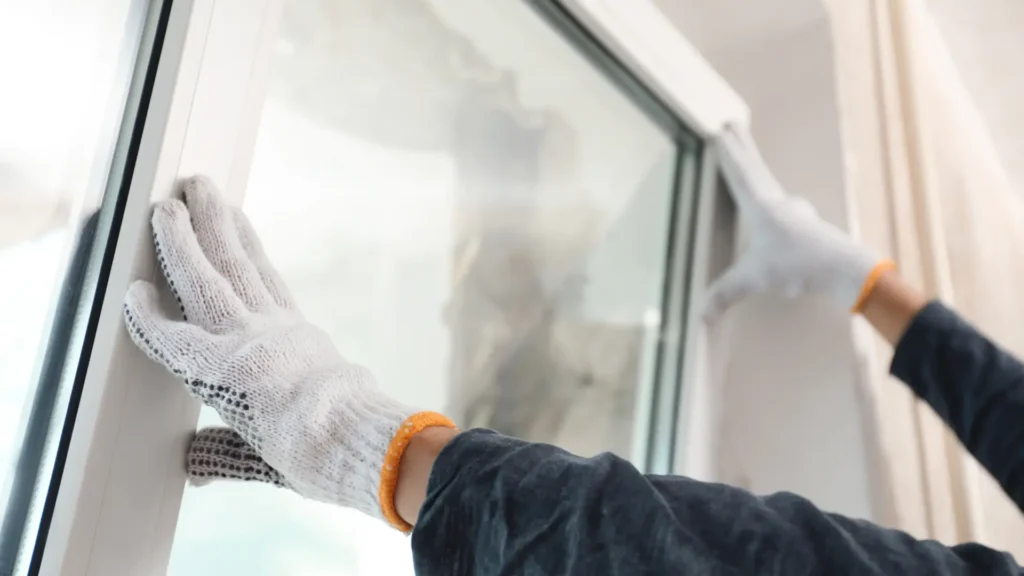

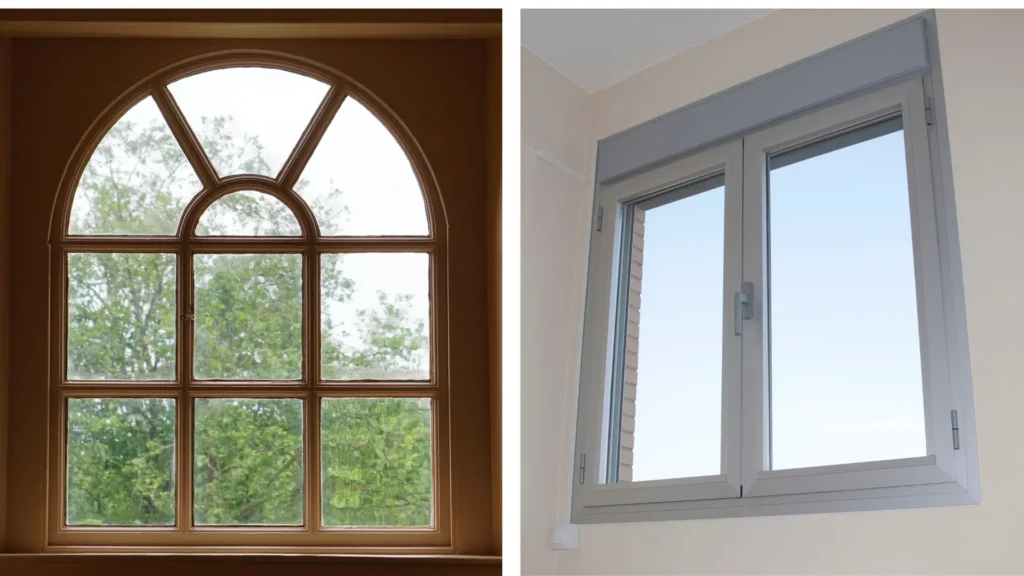
Welcome to your complete guide to choosing between timber and aluminium windows in Waikato—one of the most important decisions you’ll make when building or renovating your home. With Waikato’s mix of humid conditions, seasonal temperature changes, and diverse housing styles (from classic villas to modern new builds), the right window material can significantly affect comfort, maintenance, energy efficiency, and long-term value. Timber and aluminium windows each offer distinct benefits, but the best choice depends on your home’s style, your lifestyle, and how much upkeep you’re realistically prepared for. This guide breaks down the real differences in a clear, practical way so you can make a confident, informed decision that suits your Waikato home—not just today, but for years to come.
Timber vs aluminium windows in Waikato comes down to appearance, maintenance, and performance in local conditions. Timber windows offer natural insulation and a warm, classic look ideal for character homes, but they require regular maintenance to handle Waikato’s humidity. Aluminium windows are low-maintenance, durable, and well-suited to modern homes, especially when fitted with thermal breaks for improved energy efficiency. The best option depends on your home’s style, budget, and long-term maintenance preferences.
Table of Contents
Why Window Material Choice Matters In Waikato
Choosing the right window material in Waikato is not just a visual or stylistic decision. It has a direct impact on how well your home performs in a region known for higher humidity, regular rainfall, and seasonal temperature changes. Window materials that work well in dry or coastal regions can behave very differently once exposed to Waikato’s conditions, which is why homeowners need to think beyond appearance and upfront cost.
How Waikato’s Climate Affects Window Performance
Waikato’s climate places consistent pressure on windows throughout the year. Moisture in the air, cooler winters, and warm summers all influence how window frames expand, contract, and protect the interior of the home. Over time, unsuitable materials or poor-quality systems can lead to heat loss, condensation, or deterioration. This is often where homeowners realise that what works in drier regions doesn’t always work the same way in Waikato, especially when moisture management is overlooked.
Impact On Insulation
Insulation plays a major role in maintaining comfort and energy efficiency in Waikato homes, particularly during colder and damper months.
- Thermal performance: Window materials affect how much heat escapes or stays inside the home. Timber naturally insulates well, while aluminium relies on thermal breaks and glazing systems to reach similar performance levels.
- Condensation control: Poor insulation can increase condensation, which is a common issue in Waikato homes. High-performing window systems help reduce moisture buildup on glass and frames.
- Indoor comfort: Well-insulated windows contribute to more consistent indoor temperatures, reducing reliance on heating and improving everyday comfort.
Impact On Moisture Resistance
Moisture resistance is critical in a region where windows are regularly exposed to damp conditions.
- Material response to moisture: Timber can absorb moisture if not properly sealed and maintained, while aluminium resists water but depends on protective coatings to prevent corrosion.
- Seal durability: Ongoing exposure to rain and humidity tests window seals and joints, making quality materials and proper installation essential.
- Long-term durability: Windows that handle moisture effectively tend to last longer and maintain their appearance and performance over time.
Impact On Maintenance Needs
Maintenance expectations should always be considered when choosing window materials for a Waikato home.
- Upkeep requirements: Timber windows typically require periodic painting or resealing to protect against moisture damage.
- Time and effort: Aluminium windows usually need minimal maintenance beyond routine cleaning, which appeals to homeowners seeking convenience.
- Cost over time: Lower maintenance materials can reduce long-term costs, even if the initial investment is higher.
Council Requirements And NZ Building Standards
Windows installed in Waikato must comply with the New Zealand Building Code, including standards related to weather tightness, insulation, and safety glazing. Local councils expect window systems to be suitable for regional climate conditions and installed using approved methods. While specific requirements depend on the project, compliance reinforces the importance of choosing materials that meet both performance and regulatory expectations.
A Practical Takeaway For Waikato Homeowners
Selecting the right window material in Waikato is about making a decision that aligns with local climate demands, lifestyle preferences, and long-term goals. By understanding how insulation, moisture resistance, and maintenance needs are affected by regional conditions, homeowners can avoid common issues and invest in windows that deliver lasting comfort and value. Taking a thoughtful, informed approach now often leads to better performance and fewer problems in the years ahead.
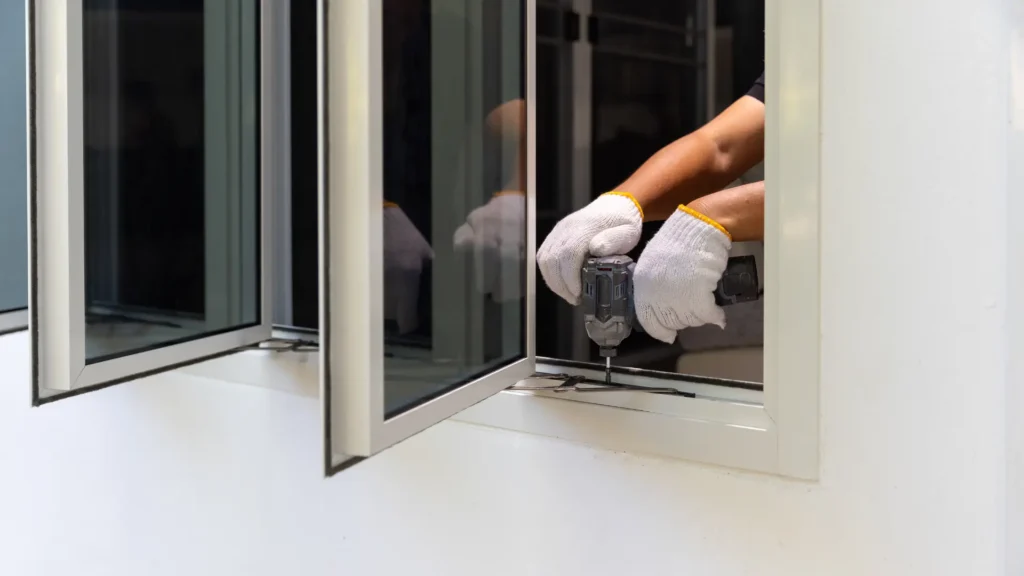
Overview Of Timber Windows
Timber windows have long been a popular choice in New Zealand homes, particularly where appearance, insulation, and architectural character matter. In Waikato, they are often considered for both renovations and new builds where homeowners want a balance between performance and traditional appeal.
What Timber Windows Are Made From
Timber windows in New Zealand are commonly crafted from durable local and imported timbers such as radiata pine, cedar, macrocarpa, and eucalyptus. These timbers are chosen for their strength, stability, and suitability for New Zealand conditions. Quality timber frames are kiln-dried, treated, and sealed to reduce movement and improve resistance to moisture over time.
Visual Appeal And Architectural Fit
Timber offers a natural warmth that is difficult to replicate with other materials. It complements traditional villas, bungalows, and heritage homes, while also being used in modern architectural designs where a softer, organic finish is desired. For many Waikato homeowners, timber helps preserve the original character of older properties.
Natural Insulation Benefits
As a natural insulator, timber does not transfer heat as easily as metal. This contributes to improved thermal performance and indoor comfort, particularly during cooler months. When combined with double glazing, timber window frames can help reduce heat loss and condensation.
Customisation Options
Timber windows are highly customisable, allowing for tailored sizes, profiles, and finishes. Homeowners can choose from painted or stained finishes to suit their home’s style, making timber especially useful for non-standard window openings.
Pros
- Warm, Natural Look: Adds character and visual appeal to the home
- Excellent Thermal Performance: Helps maintain comfortable indoor temperatures
- Ideal For Character And Heritage Homes: Suits traditional architectural styles
Cons
- Ongoing Maintenance Required: Needs periodic painting or sealing
- Sensitive To Moisture If Neglected: Can deteriorate if not properly maintained
- Higher Upfront Cost In Many Cases: Often more expensive initially than aluminium
In Waikato’s humid climate, timber windows tend to perform well when properly maintained, aging naturally and retaining their appeal. With regular care, they can remain a durable and attractive choice for decades, making them a worthwhile option for homeowners who value both performance and aesthetics.
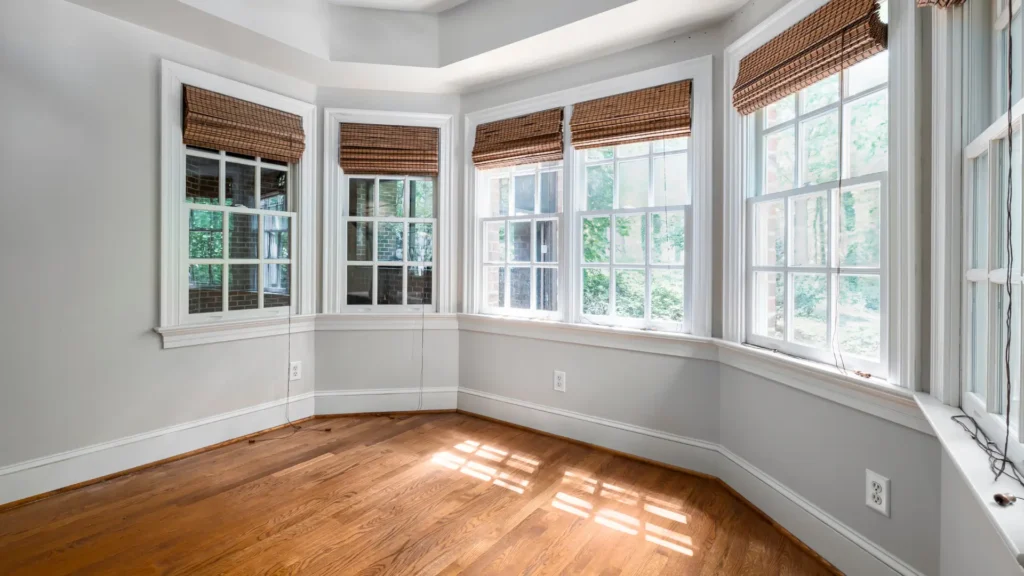
Overview Of Aluminium Windows
Aluminium windows are a popular choice for many New Zealand homes, particularly in modern builds and renovations where durability and low maintenance are priorities. In the Waikato region, aluminium windows are commonly selected because they handle moisture, rain, and temperature changes well, making them a practical option for everyday living.
What Aluminium Windows Are
Aluminium windows are made using lightweight but strong aluminium frames that support glass panels, most often double glazed in newer homes. The material itself does not warp, rot, or swell, which is a key reason it performs reliably in regions like Waikato where damp conditions are common. Aluminium frames are manufactured to precise tolerances, allowing for slim profiles and clean lines that suit contemporary architectural styles.
Modern Vs Older Aluminium Window Systems
Not all aluminium windows are the same, and the difference between older and modern systems is significant. Older aluminium windows, commonly found in homes built several decades ago, often lacked proper insulation and could feel cold or drafty. Modern aluminium window systems have evolved considerably, now featuring thermal breaks that separate the interior and exterior parts of the frame. This advancement greatly improves insulation, reduces condensation, and makes aluminium windows far more energy efficient than their earlier counterparts.
Powder-Coated Finishes And Colour Options
One of the biggest advantages of aluminium windows is the wide range of powder-coated finishes available. Powder coating creates a durable, baked-on finish that resists fading, peeling, and corrosion. Homeowners can choose from neutral tones, bold modern colours, or even textured finishes, allowing aluminium windows to blend seamlessly with different exterior claddings and interior design styles. This flexibility makes them suitable for both modern homes and updated renovations.
Pros Of Aluminium Windows
Aluminium windows offer several practical benefits that appeal to homeowners looking for long-term reliability and ease of care.
- Low maintenance: Aluminium frames do not require painting, staining, or sealing, making them ideal for homeowners who want minimal ongoing upkeep.
- Durable and weather-resistant: Aluminium stands up well to rain, humidity, and temperature changes, which is particularly valuable in Waikato’s climate.
- Often more affordable upfront: Compared to timber, aluminium windows are typically less expensive initially, especially for standard sizes and designs.
Cons Of Aluminium Windows
While aluminium windows are highly practical, there are some considerations to keep in mind depending on your home and priorities.
- Can feel colder aesthetically: Aluminium has a sleek, modern look that may feel less warm or traditional compared to timber, especially in character homes.
- Thermal performance depends on thermal breaks: Without thermal breaks, aluminium frames can transfer cold more easily, so choosing modern, well-designed systems is essential.
- Less suitable for heritage-style homes without custom work: Standard aluminium windows may not suit older or heritage homes unless custom designs are used to match traditional detailing.
Aluminium windows are a strong, versatile option for many Waikato homes, particularly for those prioritising durability, low maintenance, and modern design. When chosen thoughtfully, especially with thermal breaks and quality glazing, they can deliver reliable performance and long-term value while fitting seamlessly into contemporary lifestyles.
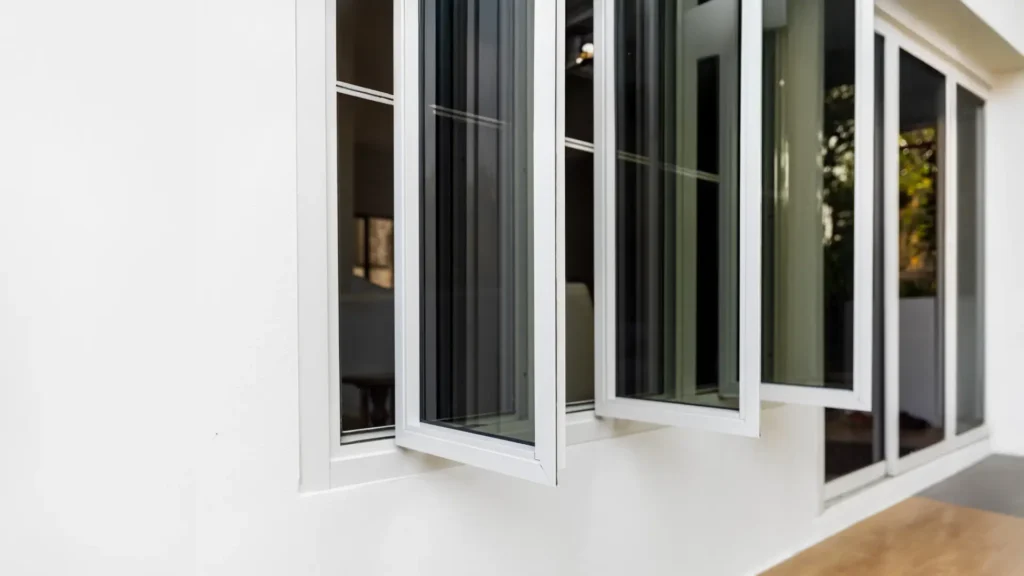
Timber Vs Aluminium Windows Side By Side Comparison
Choosing between timber and aluminium windows is one of the most important decisions homeowners in Waikato make when building or renovating. While both materials are widely used and proven, they perform differently in terms of appearance, comfort, maintenance, cost, and environmental impact. Understanding these differences side by side makes it much easier to choose the option that truly suits your home, lifestyle, and long term expectations.
Appearance And Style
The visual impact of your windows plays a major role in how your home feels, both inside and out. Timber and aluminium offer very different aesthetic qualities, which is often the starting point for most homeowners.
- Traditional aesthetics: Timber windows are known for their warm, natural look and are especially well suited to villas, bungalows, and character homes common throughout Waikato. They complement traditional architecture and can be shaped, detailed, and painted to closely match original designs.
- Modern aesthetics: Aluminium windows tend to suit contemporary homes and new builds. Their clean lines, slim profiles, and wide range of powder coated colours make them popular for modern architectural styles and minimalist designs.
- Home compatibility: Timber often blends seamlessly into older homes where maintaining character is important, while aluminium is frequently chosen for new builds, renovations with a modern direction, or homes where visual uniformity and sharp finishes are a priority.
Energy Efficiency And Insulation
Energy efficiency is a major consideration in Waikato, where damp winters and changing temperatures can affect comfort and heating costs. Window material plays a significant role in how well your home retains warmth.
- Natural insulation: Timber is a natural insulator, which means it does not conduct heat or cold easily. This helps reduce heat loss in winter and can contribute to a warmer, more comfortable indoor environment.
- Thermal break technology: Aluminium on its own conducts heat, but modern aluminium windows often include thermal breaks. These are insulating barriers built into the frame that significantly improve thermal performance and reduce condensation.
- Double glazing compatibility: Both timber and aluminium frames can be paired with double glazing. When combined with quality glazing, the overall insulation performance depends more on window design and installation quality than on frame material alone.
Maintenance And Longevity
Maintenance requirements and long term durability are often deciding factors, especially for homeowners who want a solution that fits their lifestyle and time commitments.
- Ongoing upkeep: Timber windows require regular painting or sealing to protect them from moisture and weather exposure. Without proper maintenance, timber can swell, crack, or deteriorate over time, particularly in Waikato’s humid conditions.
- Low maintenance option: Aluminium windows require very little ongoing care. Occasional cleaning is usually enough to keep them in good condition, making them appealing for homeowners who want minimal maintenance.
- Durability expectations: Well maintained timber windows can last for decades, especially when protected from direct exposure. Aluminium windows are highly durable and resistant to corrosion, making them a long lasting choice even in demanding environments.
Cost Considerations
Cost is more than just the initial price of the windows. It also includes maintenance, repairs, and long term value.
- Upfront investment: Timber windows typically cost more initially due to material and craftsmanship. Aluminium windows often have a lower starting cost, particularly for standard designs and sizes.
- Ongoing expenses: Timber may require repainting or resealing over time, which adds to long term costs. Aluminium windows usually avoid these expenses, which can make them more cost effective over the lifespan of the home.
- Replacement versus repair: Timber windows can often be repaired if damaged, while aluminium frames may need full replacement in some cases. This balance between repairability and maintenance should be considered when planning long term budgets.
Sustainability And Environmental Impact
For many Waikato homeowners, environmental impact is an increasingly important part of the decision making process.
- Renewable material: Timber is a renewable resource when sourced responsibly. Sustainably managed forests allow timber windows to be an environmentally conscious choice, particularly for those prioritising natural materials.
- Recyclability: Aluminium is highly recyclable and can be reused multiple times without losing quality. This makes aluminium windows appealing from a recycling and waste reduction perspective.
- Environmental trade offs: Timber requires ongoing treatments and coatings, while aluminium requires significant energy during manufacturing. The most sustainable choice often depends on sourcing, lifespan, and how well the windows are maintained over time.
Choosing between timber and aluminium windows is not about finding a universally better option, but about finding the right balance for your specific home and priorities. By weighing appearance, performance, maintenance, cost, and sustainability side by side, Waikato homeowners can make a confident decision that delivers comfort, value, and long term satisfaction.
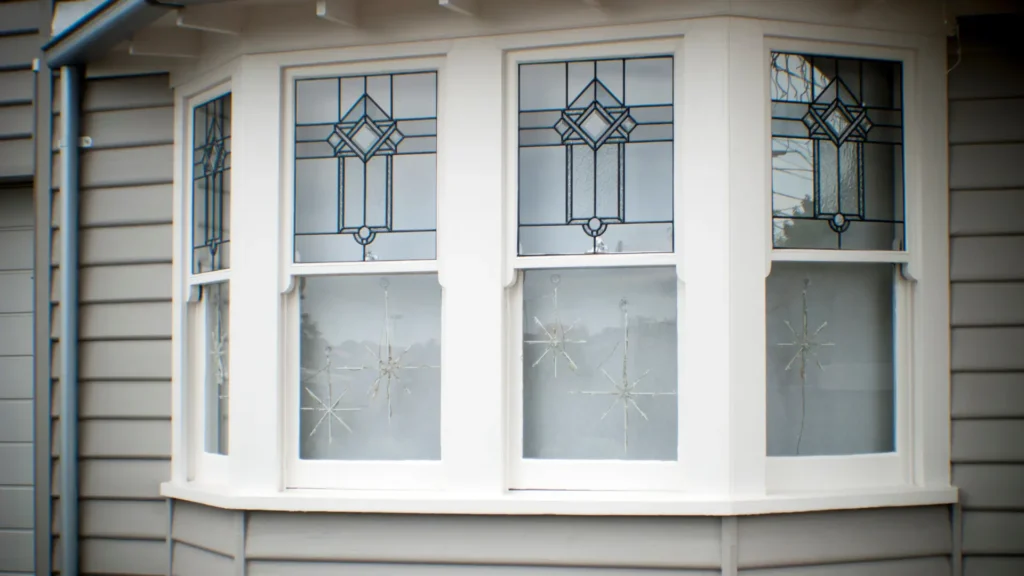
What Works Best For Waikato Homes?
Choosing between timber and aluminium windows in Waikato is less about which option is “better” overall and more about which one fits your home, lifestyle, and long-term priorities. Waikato’s climate, housing mix, and renovation trends all play a role in how well each material performs over time. Below is a practical breakdown based on common real-world scenarios faced by local homeowners.
Timber May Be Better If:
Timber windows tend to suit homeowners who value character, craftsmanship, and a traditional aesthetic, especially in older Waikato homes.
- You Own A Character Or Heritage Home:
Timber windows are often the most natural fit for villas, bungalows, and heritage-style homes found throughout Waikato. They align with original architectural details and are often preferred where maintaining historical integrity is important. - Aesthetic Authenticity Matters:
If visual warmth, natural textures, and a timeless appearance are high on your priority list, timber offers a level of character that aluminium can struggle to replicate. Many homeowners choose timber because it enhances street appeal and preserves the original charm of the property. - You’re Willing To Maintain Them:
Timber windows require ongoing care such as painting or sealing, particularly in Waikato’s damp conditions. Homeowners who are comfortable with routine maintenance often see this as a worthwhile trade-off for the look and performance timber provides.
Aluminium May Be Better If:
Aluminium windows are typically chosen for practicality, durability, and ease of ownership, especially in newer builds and renovations.
- You Want Minimal Upkeep:
For homeowners with busy schedules or limited interest in ongoing maintenance, aluminium windows are appealing. They do not need painting, resist moisture well, and generally hold up better in Waikato’s changing weather with minimal effort. - You’re Building Or Renovating Modern:
Aluminium windows suit contemporary designs commonly seen in new Waikato builds. Their clean lines, slim profiles, and wide colour options make them a popular choice for modern homes and extensions. - Budget And Durability Are Priorities:
Aluminium often comes with a lower upfront cost compared to timber and offers long-term durability. For homeowners balancing renovation budgets or planning for resale, aluminium windows can provide strong value without sacrificing performance.
Real-World Homeowner Priorities In Waikato
In practice, many Waikato homeowners base their decision on a mix of time, budget, and future plans. Those restoring older homes often prioritise authenticity and resale appeal, even if it means more maintenance. Others choose aluminium to reduce long-term upkeep, manage costs, and ensure their home remains easy to maintain for years to come. There is no one-size-fits-all answer, but understanding how each option fits into everyday life makes the decision clearer.
Ultimately, the best window choice for your Waikato home is the one that aligns with how you live now and how you plan to use or sell your home in the future. Taking the time to match the material to your priorities will lead to a result that feels right long after the windows are installed.
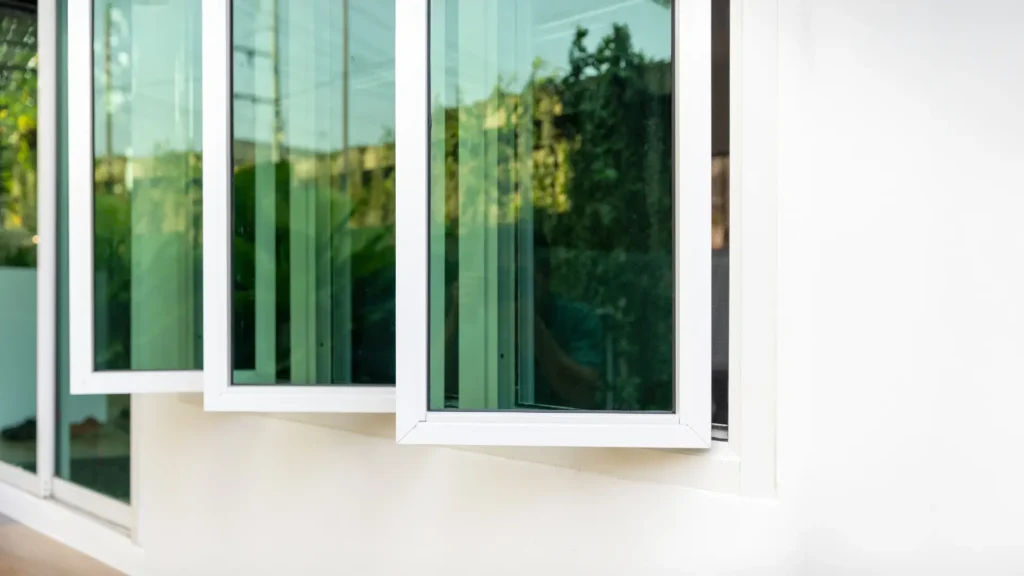
Common Mistakes Homeowners Make When Choosing Windows
Choosing new windows is a major decision, yet many homeowners underestimate how much this choice affects comfort, energy efficiency, and long-term costs. In Waikato, where moisture levels and seasonal temperature changes can be demanding on building materials, these mistakes can become costly over time. Understanding the most common pitfalls can help you make a more informed and confident decision.
Choosing Based On Price Alone
Focusing only on the cheapest option is one of the most common mistakes homeowners make when choosing windows. While staying within budget is important, price alone rarely reflects the true value of a window system.
- Short-term savings: Low-cost windows often compromise on materials, glazing quality, or finishing, which can reduce performance and lifespan.
- Higher long-term costs: Poor insulation and durability can lead to higher heating bills, condensation problems, and earlier replacement.
- Overall value: A slightly higher upfront investment often delivers better comfort, energy efficiency, and longevity.
Ignoring Thermal Performance
Thermal performance plays a major role in how comfortable and energy-efficient your home feels, yet it is frequently overlooked during the decision-making process.
- Heat retention: Windows with poor thermal performance allow heat to escape, making homes harder and more expensive to heat.
- Condensation risk: In Waikato’s humid conditions, inadequate insulation increases the likelihood of condensation and moisture damage.
- Modern improvements: Double glazing and thermal breaks can significantly improve performance, regardless of whether the frame is timber or aluminium.
Not Factoring In Long-Term Maintenance
Many homeowners consider how windows look when first installed, but do not think about how much maintenance will be required over the years.
- Timber care requirements: Timber windows need ongoing painting or sealing to protect them from moisture and weather exposure.
- Aluminium maintenance: Aluminium windows are generally low maintenance, but quality coatings still matter for long-term durability.
- Lifestyle considerations: Choosing windows that align with how much maintenance you are willing to handle helps avoid future frustration.
Assuming All Aluminium Or All Timber Is The Same
Another common mistake is assuming that all windows made from the same material perform equally. In reality, there are significant differences in quality and design.
- Material quality: Timber species, treatments, and aluminium profiles vary widely in performance and durability.
- Design features: Thermal breaks, glazing options, seals, and frame design all affect insulation and weather resistance.
- Installation quality: Even high-quality windows can underperform if they are not installed correctly.
Avoiding these common mistakes can make a noticeable difference in how your windows perform over time. Taking the time to look beyond price, understand performance, and consider long-term maintenance will help you choose windows that suit your home, lifestyle, and Waikato conditions far better in the long run.
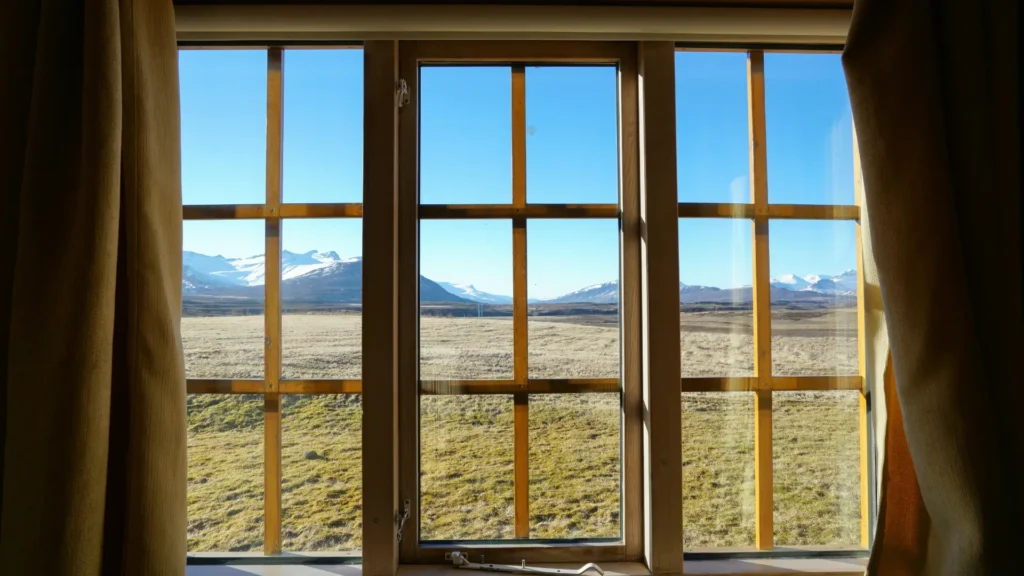
Questions To Ask Before Choosing Timber Or Aluminium Windows
Before committing to timber or aluminium windows, it’s worth slowing down and asking the right questions. Window choices affect comfort, maintenance, energy efficiency, and long-term costs, especially in Waikato’s climate. Taking the time to think through these considerations can help you avoid regret later and ensure your windows suit both your home and your lifestyle.
- How Much Maintenance Am I Realistically Willing To Do:
Timber windows require ongoing care to stay in good condition, including repainting or resealing over time. Aluminium windows, on the other hand, are largely low maintenance and only need occasional cleaning. Be honest about how much time, effort, and budget you’re willing to invest in upkeep, as this often becomes a deciding factor for homeowners. - Does My Home’s Style Limit My Options:
The architectural style of your home plays a major role in determining which window material will look and feel right. Character homes and older villas often suit timber windows better, as they preserve traditional aesthetics. Modern homes usually pair well with aluminium windows, although custom designs can sometimes bridge the gap if you want flexibility. - Are Thermal Breaks Included:
Not all aluminium windows offer the same level of insulation. Thermal breaks are essential for reducing heat loss and condensation, particularly in cooler or damp Waikato conditions. Always confirm whether aluminium window systems include thermal breaks, as this significantly impacts comfort and energy efficiency. - What Warranties Are Offered:
Warranties provide insight into the quality and expected lifespan of your windows. Ask about coverage for materials, finishes, hardware, and installation. A strong warranty can offer peace of mind and protect you from unexpected repair or replacement costs down the line. - How Do These Windows Perform In Waikato Conditions:
Waikato’s mix of humidity, rainfall, and seasonal temperature changes can affect window performance. Timber needs proper protection against moisture, while aluminium must be well-designed to manage condensation and heat transfer. Choosing windows proven to perform well locally can make a noticeable difference in comfort and durability.
Taking the time to answer these questions puts you in a much stronger position to choose between timber and aluminium windows with confidence. When your decision is guided by practical needs rather than assumptions, you’re far more likely to end up with windows that work well for your home, now and into the future.
Timber Vs Aluminium Windows
This quick summary is designed to make comparing timber and aluminium windows easy at a glance, especially if you are weighing up options for a Waikato home. Rather than diving into technical detail, this section highlights the most important differences homeowners care about when making a practical, informed decision.
- Appearance:
Timber windows offer a warm, natural look that suits character homes, villas, and traditional architecture commonly found across Waikato. Aluminium windows lean toward a clean, modern appearance with slim frames and a wide range of powder-coated colours, making them popular for contemporary builds and renovations. - Maintenance:
Timber windows require regular upkeep, including painting or sealing, to protect against moisture and weather exposure. Aluminium windows are low maintenance, needing only occasional cleaning, which appeals to homeowners looking for long-term convenience and minimal ongoing effort. - Insulation:
Timber naturally insulates well, helping to reduce heat loss and improve indoor comfort. Aluminium windows rely on thermal breaks and double glazing to achieve similar energy efficiency, which is important in Waikato’s cooler, damp months. - Cost:
Timber windows generally come with a higher upfront cost due to materials and craftsmanship, along with long-term maintenance expenses. Aluminium windows are often more affordable initially and tend to have lower lifetime costs because they require less maintenance over time. - Suitability For Waikato Climate:
Timber performs well in Waikato when properly maintained, but neglect can lead to moisture-related issues. Aluminium windows are highly resistant to damp conditions and temperature changes, making them a reliable choice for Waikato’s variable climate.
In summary, this side-by-side comparison helps clarify the practical differences between timber and aluminium windows without overcomplicating the decision. By considering appearance, maintenance, insulation, cost, and local climate suitability together, homeowners can narrow down which option best aligns with their lifestyle, budget, and long-term plans.
Still unsure which window option is right for your Waikato home? Don’t leave such an important decision to guesswork. Visit our website to explore expert insights, real project examples, and tailored advice designed specifically for local conditions. Whether you’re renovating, building new, or simply planning ahead, we’ll help you make a confident choice that adds comfort, value, and long-term peace of mind.
References
- Timber vs Aluminium Windows in NZ: Insulation, Condensation & Comfort (Dando Doors & Windows)
https://www.dando.net.nz/insights/timber-vs-aluminium-windows-in-nz-the-truth-about-insulation-condensation-amp-comfort-2025-guide/ (Dando Doors and Windows) - Aluminium Windows vs. Timber Windows (Window Factory)
https://windowfactory.co.nz/articles/aluminium-windows-vs-timber-windows/ (Window Factory) - Aluminium vs Timber vs uPVC Windows NZ | Which One? (2K)
https://2k.co.nz/aluminium-windows/aluminium-windows-vs-timber-and-upvc/ (2K Limited) - Timber Joinery vs Aluminium & PVC (Westpine Joinery)
https://www.westpine.co.nz/choosing-the-right-material-timber-joinery-vs-aluminium-vs-pvc/ (Westpine Joinery) - Timber vs Aluminium Windows – Which Material is Best? (Alimax)
https://www.alimax.ltd/news/timber-windows-vs-aluminium-windows-which-is-better (Alimax Aluminium Fabrication)
FAQs: About Timber Vs Aluminium Windows In Waikato
What is the main difference between timber and aluminium windows?
The main difference lies in material performance and upkeep. Timber windows offer a natural, warm appearance and excellent insulation but require regular maintenance. Aluminium windows are durable, low-maintenance, and suit modern homes, though their thermal performance depends on having proper thermal breaks.
Which window material is better for Waikato’s climate?
Both can work well in Waikato if chosen correctly. Timber performs well thermally but must be properly maintained to handle moisture, while aluminium windows with thermal breaks are highly resistant to Waikato’s damp conditions and require far less upkeep.
Are timber windows more energy efficient than aluminium windows?
Timber is naturally insulating, which can help with energy efficiency. However, modern aluminium windows with thermal breaks and double glazing can perform just as well, making design and installation just as important as the material itself.
Do timber windows require a lot of maintenance?
Yes, timber windows typically need periodic painting or sealing to protect against moisture and weathering. The level of maintenance depends on exposure to the elements and how well they are cared for over time.
Are aluminium windows cheaper than timber windows?
Aluminium windows often have a lower upfront cost than timber windows. However, long-term costs should also consider maintenance, lifespan, and potential energy savings rather than just the initial price.
Which option is better for character or heritage homes?
Timber windows are usually better suited to character and heritage homes because they match traditional architectural styles and meet heritage expectations more easily than aluminium.
Are aluminium windows suitable for older homes?
Yes, aluminium windows can be used in older homes, especially if designed to match existing styles. However, some homeowners prefer timber to maintain the original character of the property.
How long do timber and aluminium windows last?
Well-maintained timber windows can last several decades, even longer in some cases. Aluminium windows are extremely durable and can also last decades with minimal maintenance, particularly in harsh weather conditions.
Are timber windows more environmentally friendly than aluminium?
Timber is a renewable resource when sourced responsibly, making it appealing from a sustainability perspective. Aluminium is highly recyclable, so both materials can be environmentally responsible depending on sourcing and manufacturing practices.
How do I decide which window option is right for my home?
The best choice depends on your home’s style, budget, maintenance expectations, and long-term goals. Considering Waikato’s climate, your lifestyle, and whether you value low maintenance or traditional aesthetics will help guide the right decision.
Conclusion
Choosing between timber and aluminium windows is not about finding a single right answer, but about selecting what best suits your home, your lifestyle, and the conditions you live in. Every Waikato property has its own challenges and advantages, so it is important to look beyond general recommendations and think about how each option will perform in your specific situation. Home style plays a major role, as traditional and character homes often suit the warmth of timber, while modern designs tend to align more naturally with aluminium. Climate is another key consideration, particularly in Waikato where moisture and seasonal changes can influence durability and maintenance needs. Budget should be viewed from both a short-term and long-term perspective, taking into account not just the initial cost but also upkeep and longevity. Lifestyle also matters, as the time and effort you are willing to invest in maintenance can make one option more practical than the other. By weighing these factors carefully and seeking advice from experienced local window specialists, homeowners can make a confident, informed decision that delivers comfort, performance, and lasting value for their Waikato home.