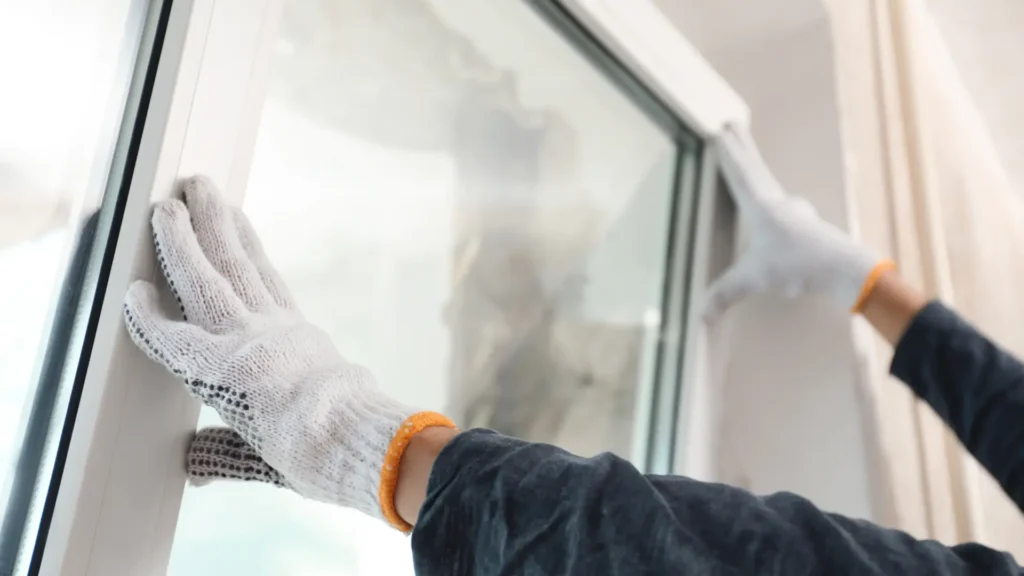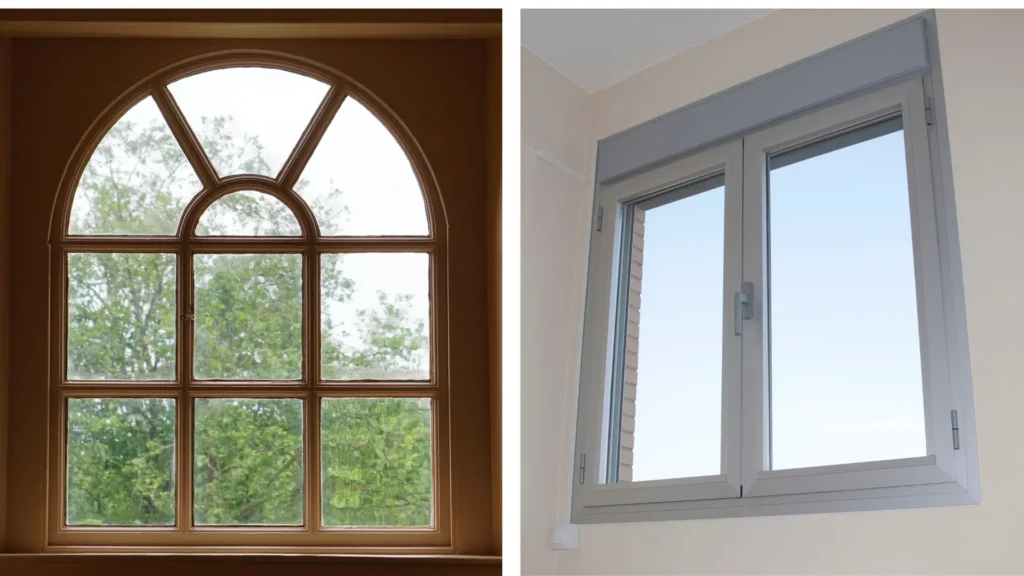


Welcome to our guide on whether retrofit double glazing is worth it in NZ, where we cut through the jargon and give you a clear, honest look at how this window upgrade can affect your comfort, power bills, and home value. In New Zealand, many older homes still have single-glazed windows that let heat escape, noise seep in, and condensation build up, making retrofit double glazing an attractive option for homeowners who want better insulation without replacing their existing frames. In this article, we’ll explore the benefits, drawbacks, costs, and long-term savings so you can decide with confidence if it’s the right investment for your home.
Retrofit double glazing in NZ replaces single-glass panes with double-glazed units while keeping your existing window frames. It can improve insulation, reduce noise, and cut energy bills, making it a popular choice for older homes seeking comfort and efficiency without full window replacement.
Table of Contents
What Is Retrofit Double Glazing?
Retrofit double glazing is a window upgrade method where your existing single-glass panes are replaced with insulated double-glazed units while keeping your original window frames intact. Instead of removing the whole window structure, this approach focuses only on the glass, making it a less invasive and often more affordable solution for improving home comfort and energy performance.
Unlike new double glazing installations, which involve replacing both the frames and the glass, retrofit double glazing works with what you already have. This means you can preserve the look and character of your home, especially if you live in a classic or heritage-style property. New installations typically require more construction work, which can be costlier and may alter the home’s appearance. Retrofit, on the other hand, offers the insulation and noise-reducing benefits of double glazing without completely changing your windows.
The process is straightforward: a glazing professional carefully removes the old single-pane glass, measures the frame, and installs a new double-glazed unit designed to fit perfectly. The double-glazed unit usually consists of two panes of glass separated by a spacer and sealed to create an insulating air or gas-filled gap. This gap acts as a barrier to heat transfer, helping your home stay warmer in winter and cooler in summer.
Retrofit double glazing is especially popular among NZ homeowners with older houses for several reasons. Many New Zealand homes built before the early 2000s still have single-glazed windows, which are less effective at retaining heat and blocking outside noise. With rising energy costs, homeowners are looking for practical ways to cut heating bills and improve living comfort. Retrofit offers a balance of performance, cost, and aesthetic preservation, making it an appealing choice for those who want better insulation without sacrificing the original charm of their property.

The NZ Context: Why It’s A Hot Topic
New Zealand’s unique climate makes the conversation around retrofit double glazing especially relevant. Many regions experience cold winters that can be long and damp, creating uncomfortable indoor environments if a home’s insulation is lacking. In areas like the South Island or central North Island, temperatures can drop significantly overnight, and without effective window insulation, much of the heat generated inside quickly escapes. This means homeowners end up using more energy to stay warm, leading to higher power bills.
Another factor driving this discussion is the high number of older Kiwi homes still fitted with single-glazed windows. These windows were standard for decades but offer very little protection against heat loss, noise intrusion, or condensation build-up. In a country where many houses were built before modern insulation standards, this leaves a large portion of the housing stock performing poorly when it comes to energy efficiency. Retrofitting these windows with double glazing offers a practical way to improve thermal performance without completely replacing frames, making it an appealing choice for preserving the character of older homes.
Local building codes and national energy efficiency goals have also put retrofit double glazing in the spotlight. As part of New Zealand’s broader commitment to sustainability and reducing carbon emissions, there is a growing emphasis on upgrading homes to meet higher insulation standards. While retrofit double glazing may not always be a legal requirement, it aligns with these initiatives and helps homeowners future-proof their properties against potential changes in regulations. This combination of climate demands, aging housing stock, and policy direction has made retrofit double glazing a hot topic for homeowners across the country.

Benefits Of Retrofit Double Glazing
Retrofit double glazing offers several advantages for New Zealand homeowners, especially those living in older properties with single-glazed windows. By upgrading to double glazing while keeping the existing frames, you can enjoy improved living conditions, lower running costs, and a healthier home environment without losing the character of your property.
Energy Efficiency And Lower Power Bills – Reduced Heat Loss
One of the main reasons Kiwi homeowners choose retrofit double glazing is its ability to reduce heat loss. Single-glazed windows allow warmth to escape easily, forcing you to use more heating during the colder months. By adding a second pane of glass and creating an insulating air gap, retrofit double glazing helps keep heat inside your home. Over time, this can translate into noticeable savings on your power bills. For example, a homeowner in Wellington reported a 15% drop in winter electricity costs after upgrading all their living room and bedroom windows.
Improved Comfort – Warmer In Winter, Cooler In Summer
A well-insulated home is more comfortable to live in all year round. In winter, retrofit double glazing keeps the cold out and the warmth in, while in summer, it helps block excess heat from entering. This balance means you spend less time adjusting heaters and fans, creating a more consistent indoor climate. Many homeowners find they no longer need to huddle in one room for warmth during winter or rely heavily on air conditioning during summer heatwaves.
Noise Reduction – Quieter Indoor Environment
For those living near busy streets, train lines, or noisy neighbours, retrofit double glazing can significantly reduce external noise. The extra glass layer and air gap act as a barrier to sound, creating a quieter, more peaceful environment inside your home. A family in central Auckland found that traffic noise was reduced to a faint background hum after installing retrofit double glazing in their front-facing rooms.
Condensation Control – Less Moisture And Mould Issues
Condensation is a common problem in many New Zealand homes, especially in cooler, damp climates. When warm indoor air meets the cold surface of single-glass windows, moisture forms, often leading to mould growth. Retrofit double glazing keeps the inner glass surface warmer, which reduces the likelihood of condensation forming. This not only protects your home from dampness and damage but also improves indoor air quality and reduces health risks associated with mould.
Retains Character Of Older Homes – Keeping Original Frames Intact
One of the unique benefits of retrofit double glazing is that it allows you to keep your existing window frames. This is especially important for older or heritage homes where the original timber or aluminium frames add to the property’s charm and value. Instead of replacing them entirely, retrofit solutions upgrade the glass while preserving the look and feel of the home. For example, a 1920s villa in Christchurch was able to maintain its classic sash windows while enjoying the modern benefits of double glazing.
In Dunedin, a homeowner living in a 1950s brick house opted for retrofit double glazing in the main living areas. After installation, they noticed the house stayed warmer for longer, even with the heating turned off. Power bills dropped by around $400 over the winter season, and the persistent condensation on the lounge windows disappeared. The homeowner also appreciated that the home’s original rimu window frames remained untouched, preserving its character while adding value.

The Downsides And Limitations
When considering this option, it’s important to understand that it’s not perfect for every situation. While it offers clear benefits, there are a few drawbacks you should be aware of before making a decision.
- Upfront cost (average NZ pricing range): The initial investment can be significant compared to other upgrades. In New Zealand, the average cost will depend on factors such as the size of the property, the materials chosen, and the complexity of the installation. Homeowners should weigh this cost against the long-term energy savings to determine if it’s a worthwhile expense for their specific needs.
- Not always suitable for severely damaged frames: If the existing window frames are rotten, warped, or structurally compromised, this option might not be viable. In such cases, a full frame replacement will usually be necessary to ensure proper function, appearance, and energy efficiency.
- Less effective if other insulation issues aren’t addressed: Even with upgraded windows, poor ceiling insulation, wall gaps, or floor drafts can still cause heat loss. For the best results, it’s important to take a whole-home approach to insulation rather than focusing on windows alone.
- Won’t always match performance of full-frame replacements: While this solution can deliver strong improvements, it may not reach the same thermal efficiency as a complete frame and glazing upgrade. Homeowners aiming for maximum performance, particularly in extreme climates, may want to compare both options carefully.
Making an informed choice means weighing both the benefits and the drawbacks. By understanding these limitations, you can decide whether this option truly meets your home’s needs and long-term goals.

Cost Vs. Savings Analysis In NZ
When homeowners in New Zealand think about upgrading to energy-efficient windows, cost is often the first question. Understanding the financial picture helps you decide if the investment is worth it for your property and long-term comfort.
Typical Cost Per Window Or Per Home
In New Zealand, the price can vary depending on the supplier, window size, and chosen materials. On average, a standard double-glazed window may cost between $500 and $1,200 per unit. For an entire home, the investment often falls between $15,000 and $30,000, depending on the number of windows and overall design complexity. Premium features, such as low-emissivity (Low-E) glass or custom frames, can increase the price.
Estimated Energy Savings Over Time
Energy-efficient windows reduce heat loss in winter and help maintain a cooler indoor environment in summer. This improved insulation lowers heating and cooling costs year-round. Many homeowners report saving 10% to 25% on annual energy bills after installation. Over a decade, these savings can add up to several thousand dollars, offsetting a significant portion of the initial outlay.
Timeframe To Recoup Investment (ROI)
The time it takes to recover your investment depends on your home’s current insulation performance and energy usage. For many households, the return on investment ranges from 8 to 15 years. Homes in colder regions of NZ, where heating costs are higher, often reach break-even faster due to greater energy savings.
Factors That Influence Costs
Several elements can affect the total price of energy-efficient window installation:
- Type of glass: Options such as Low-E or triple glazing provide better insulation but cost more.
- Property size: Larger homes with more windows naturally require a higher budget.
- Location: Labour rates and transport costs can vary between urban and rural areas.
- Frame material: Choices like uPVC, timber, or aluminium offer different durability levels and aesthetic appeal.
By weighing these factors against long-term energy savings, New Zealand homeowners can make an informed decision that balances upfront costs with future benefits.

Retrofit Vs. Full Replacement
When To Choose Retrofit Over Replacement
Retrofit windows are a strong choice when the existing frames are in good condition. This option allows you to keep the original frame while replacing only the glass and moving parts. It is ideal for homeowners who want to improve energy efficiency without altering the structure of the home. Retrofit installations are usually faster, less invasive, and more budget-friendly compared to a full replacement. They also work well for historic homes where preserving the original architecture is important.
Full replacement windows, on the other hand, involve removing the entire window unit, including the frame. This is the better choice when the current frames are damaged, warped, or have moisture issues. It is also the preferred route if you want a completely new style, material, or size that a retrofit cannot accommodate.
Comparing Long-Term Durability And Performance
A full replacement typically offers the longest lifespan and the most consistent performance because all components are brand new. New frames provide better sealing, which improves insulation and reduces the risk of drafts or water leaks. This can lead to better energy savings over time, especially in extreme climates.
Retrofit windows can still deliver solid performance, especially if the existing frame is structurally sound. Advances in glass technology mean retrofits can still improve energy efficiency and comfort. However, their durability often depends on the condition of the existing frame. If the frame deteriorates later, you may face additional repairs or eventual replacement.
Design Flexibility And Appearance
Full replacement windows give you the freedom to change the style, size, or material of your windows. This allows for significant upgrades in both curb appeal and function. You can switch from single-hung to casement, change frame colors, or choose a different finish that complements your home’s design.
Retrofit windows are more limited in design changes because they must fit the existing frame. While you can still choose from different glass types, tints, and minor trim updates, the overall look will largely follow the original structure. This makes retrofits a great choice when you want to keep your home’s current aesthetic while improving efficiency.

How To Decide If It’s Worth It For You
Making the decision to move forward with a home upgrade or energy-saving project can feel overwhelming. You want to be sure the investment will pay off in both comfort and savings. Here are the main points to consider before you commit.
Key Decision Factors: Home Age, Budget, Energy Bills, Comfort Needs
Start by looking at your home’s age. Older homes often have less insulation, outdated systems, and drafty areas that cost you more to heat or cool. Newer homes may already have efficient features, so the potential savings might be smaller.
Consider your budget. Even if an upgrade promises lower bills, you need to know if the upfront cost works for your financial situation. Some improvements have a quick payback period, while others may take years to offset the investment.
Check your current energy bills. If they’re steadily high, or you see seasonal spikes, that’s a sign your home could benefit from improvements.
Finally, think about your comfort needs. If certain rooms are always too hot or too cold, or if you experience uneven airflow, you may gain more than just lower bills, you’ll enjoy a better living environment.
Quick Self-Assessment Checklist
- How old is your home?
- Have you noticed drafts, temperature swings, or uneven heating and cooling?
- Are your monthly energy costs higher than you’d like?
- Do you have funds available or access to financing for upgrades?
- Are there areas in your home that feel uncomfortable despite running the HVAC?
If you answer “yes” to two or more of these, it may be worth exploring your options further.
When To Get A Professional Assessment
A professional energy audit can give you a detailed picture of your home’s efficiency. This includes using tools like infrared cameras, blower door tests, and duct inspections to find energy leaks.
You should consider hiring a pro when:
- Your bills keep rising without a clear reason
- You’ve already made minor improvements but see little change
- You want expert recommendations tailored to your home’s structure and climate
Getting professional advice ensures you’re investing in the right solutions, not just guessing where the problem is.

Tips For Choosing A Retrofit Double Glazing Company In NZ
- Check credentials and experience:
Before hiring a company, make sure they have the right qualifications and proven experience in retrofit double glazing. In New Zealand, look for businesses that are members of recognized industry associations, as this can indicate adherence to quality and safety standards. A company with years of experience will likely understand the unique requirements of NZ homes, including climate conditions, building codes, and common architectural styles. - Read reviews and ask for local references:
Online reviews can provide insight into the quality of work and customer service you can expect. Focus on feedback from clients in your area, as this reflects the company’s ability to meet local needs. Don’t hesitate to ask for references from past customers. Speaking directly to homeowners who have had retrofit double glazing done can help you assess workmanship, professionalism, and overall satisfaction. - Get multiple quotes:
Pricing can vary between companies, so it’s important to request quotes from at least three providers. This allows you to compare not only costs but also the scope of work, materials used, and timelines offered. Be wary of unusually low prices, as these may indicate shortcuts in quality or service. A clear, itemized quote helps you understand exactly what you’re paying for. - Understand warranty terms:
A reliable retrofit double-glazing company should offer a clear warranty that covers both materials and installation. Read the terms carefully to know what is included, how long the coverage lasts, and what could void the warranty. This ensures that you are protected if problems arise after the work is completed. A strong warranty is a sign that the company stands behind its products and craftsmanship.
Choosing the right retrofit double glazing company in NZ comes down to doing your homework. By checking credentials, reading local reviews, comparing quotes, and understanding warranty terms, you can feel confident you’re investing in quality work that will last.
Ready to make your home warmer, quieter, and more energy-efficient? Discover how our expert solutions can transform your windows. Visit our homepage now and take the first step toward a more comfortable NZ home.

FAQs: About Is Retrofit Double Glazing Worth It In NZ
What is retrofit double glazing?
Retrofit double glazing is the process of adding a second layer of glass to your existing window frames to improve insulation, reduce noise, and increase energy efficiency without replacing the entire window.
How is retrofit different from full window replacement?
Retrofit keeps your existing frames and adds new glazing, while full replacement removes both glass and frames. Retrofit is often more affordable and less disruptive.
How much does retrofit double glazing cost in NZ?
Costs vary depending on window size, glass type, and frame material, but most NZ homeowners can expect to pay between $300 and $1,000 per window.
Does retrofit double glazing really save on power bills?
Yes. By improving insulation and reducing heat loss, retrofit double glazing can lower your heating costs, especially during NZ’s colder months.
Can retrofit double glazing reduce noise?
Yes. It can noticeably reduce outside noise, making it ideal for homes near busy roads or noisy areas.
How long does retrofit double glazing last?
With proper installation and maintenance, retrofitted windows can last 15–25 years or more, depending on the materials used.
Is retrofit double glazing worth it for all NZ homes?
It’s best for homes with solid, undamaged frames. If your frames are rotten or damaged, full window replacement may be the better option.
Does retrofit double glazing help with condensation?
Yes. It reduces interior condensation by creating a thermal barrier between inside and outside temperatures.
How do I choose a retrofit double glazing company in NZ?
Look for experienced installers, check reviews, ask for references, compare quotes, and ensure they offer a warranty.
How long does retrofit double glazing installation take?
Most installations take one to two days for an average-sized home, but the timeframe can vary based on the number of windows and complexity.
Conclusion
When weighing the decision, it’s important to consider both the benefits and drawbacks alongside factors unique to New Zealand, such as climate conditions and local building regulations. For many homeowners, the question of “Is it worth it?” comes down to specific scenarios—whether you’re seeking greater comfort during cold winters, aiming to reduce long-term energy costs, or looking to increase the overall value of your property. While upfront costs can be a hurdle, the potential for improved living conditions and higher resale value often makes the investment worthwhile. Take time to balance your personal comfort needs with your budget and future plans for the home. Share your experiences or questions in the comments to help others make informed choices, and consider getting a no-obligation quote from a trusted New Zealand provider to see what works best for you.