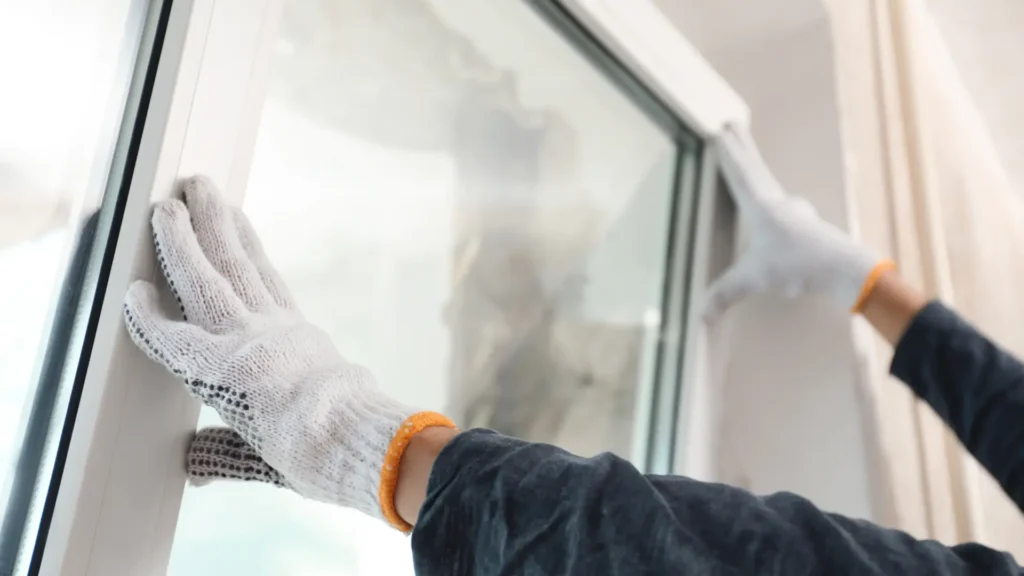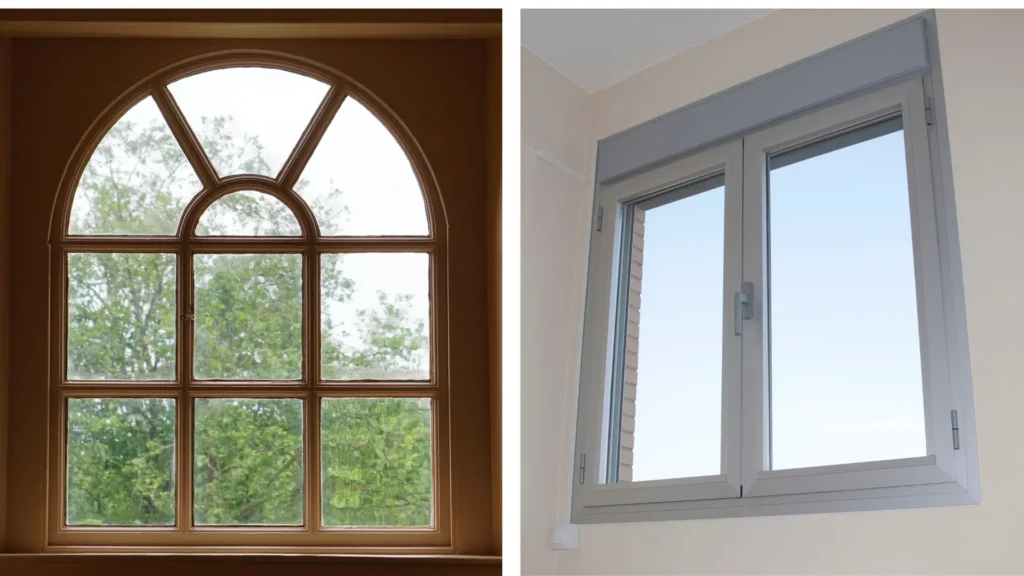


Welcome to your complete guide on double glazing in New Zealand, where we’ll break down exactly what it is, why it matters for Kiwi homes, and how it can make your living spaces warmer, quieter, and more energy-efficient. Whether you’re dealing with chilly winters, noisy streets, or high power bills, double glazing offers a practical solution that not only improves comfort but can also save you money over time. In this article, you’ll discover how it works, the benefits for NZ’s unique climate, the different types available, and what to consider before making the investment, so you can decide if it’s the right choice for your home.
Double glazing in New Zealand is a window design that uses two panes of glass separated by a sealed gap, often filled with air or inert gas, to improve insulation, reduce heat loss, cut noise, and prevent condensation. It’s widely used in NZ homes to boost comfort and energy efficiency in varying climates.
Table of Contents
What Is Double Glazing?
Double glazing is a window construction method that uses two separate panes of glass set within a single frame, with a sealed gap between them. This gap is not just empty space, it serves as a thermal barrier that significantly reduces the transfer of heat between the inside and outside of a building. In New Zealand, where homeowners often face cold winters and varying climate conditions, double glazing has become a popular choice for improving home comfort and energy efficiency. The technology is simple yet highly effective, providing benefits that go beyond keeping your home warm.
At its core, the concept works by creating an insulating layer between the two panes of glass. When warm air inside your home meets the inner pane, the sealed gap slows down how quickly heat can escape to the colder outer pane. This helps maintain a consistent indoor temperature, reducing the strain on heating systems during winter and keeping interiors cooler during hot summer months. The same principle applies to sound insulation. By adding this extra layer, outside noise is dampened before it reaches your living space, making your home quieter and more peaceful.
The gap between the panes is often filled with inert gases such as argon or krypton. These gases are denser than air, which means they conduct heat more slowly. Argon is the most commonly used gas because it offers strong thermal performance at a cost-effective price. Krypton, on the other hand, provides even better insulation and is often used in premium double-glazing setups where the space between the panes is smaller. Both options help maximize the window’s efficiency, lowering heat loss in winter and reducing unwanted heat gain in summer.
By combining two panes of glass, a well-sealed gap, and the right choice of insulating gas, double glazing delivers a balance of comfort, energy savings, and durability that is particularly valuable for New Zealand homes. This straightforward yet effective design is one of the most practical upgrades you can make to improve both the performance and livability of your property.

Why Double Glazing Matters In New Zealand
New Zealand’s climate is unique, with weather conditions that vary widely from the warm, humid north to the cooler, alpine south. These differences mean that homes across the country face diverse insulation challenges. In the far north, summer heat and high humidity can make interiors uncomfortably warm, while in the south, icy winters can cause significant heat loss through untreated windows. Double glazing addresses both extremes by creating an effective thermal barrier that works year-round.
In winter, double glazing helps trap heat inside the home by reducing the amount of warmth that escapes through the glass. This means your heating system doesn’t need to work as hard, which can lower energy bills and keep indoor temperatures stable. In summer, the same insulating layer works in reverse, preventing excess heat from entering and making it easier to maintain a cooler indoor environment without over-relying on air conditioning. The result is a more comfortable living space throughout the year, regardless of the season or region.
This level of performance aligns with the New Zealand Building Code’s energy efficiency requirements, which set minimum standards for thermal performance in residential construction. By meeting or exceeding these standards, double glazing not only improves comfort but also supports compliance with national guidelines designed to make homes more energy-efficient and environmentally responsible. For homeowners, it’s a practical investment that delivers immediate benefits in comfort and long-term savings while also contributing to the country’s broader sustainability goals.

Key Benefits Of Double Glazing
Better Insulation & Reduced Heat Loss
Double glazing acts as an extra layer of protection between your home and the outside elements. The two panes of glass, separated by a sealed gap filled with air or inert gas, slow down the transfer of heat. In winter, this means less warmth escapes, keeping your home at a more consistent temperature. During summer, it can also help block excess heat from entering. This improved insulation is especially valuable in New Zealand’s varied climate, where frosty mornings in the South Island or cooler nights in the North Island can make homes feel chilly. With double glazing, you may notice you don’t have to run your heater as often to feel comfortable.
Lower Power Bills
When your home retains heat more effectively, your heating system doesn’t need to work as hard. This leads to reduced energy usage and, over time, lower power bills. Even small reductions in heating demand can add up to significant savings throughout the year. For example, a household that relies heavily on heat pumps during winter could see noticeable drops in electricity costs after installing double glazing. These savings can make a real difference, particularly as energy prices continue to rise.
Noise Reduction
Double glazing not only helps with temperature control but also reduces the amount of outside noise entering your home. The gap between the panes of glass works as a sound barrier, making it harder for traffic noise, barking dogs, or loud neighbors to disturb your peace. This benefit is particularly appealing if you live in a busy area, near a main road, or close to construction sites. A quieter environment can improve sleep quality, concentration, and overall comfort.
Reduced Condensation & Mould
Condensation forms when warm, moist air inside your home meets a cold window surface. With double glazing, the interior glass surface stays warmer, which reduces the likelihood of condensation. Less condensation means a lower risk of mould growth around windows, a common problem in many older New Zealand homes. Minimizing mould not only protects your property but also supports better indoor air quality and health, especially for those with allergies or respiratory issues.
Added Security
Double-glazed windows are harder to break compared to single-pane glass. The added strength of two panes and the secure framing systems often used with double glazing make it more difficult for intruders to gain access. This extra layer of protection can give homeowners greater peace of mind, particularly when combined with quality locks and secure window frames. It’s a practical way to boost your home’s security while also enjoying the thermal and acoustic benefits.
You might notice your heat pump doesn’t work as hard on winter nights, your living room stays quieter even during rush hour, and your windows remain clear without constant wiping. These everyday improvements highlight how double glazing offers both comfort and practical savings for New Zealand homes.

Types Of Double Glazing Available In NZ
When it comes to improving comfort, energy efficiency, and noise control in New Zealand homes, there are several types of double glazing to consider. Each option offers different benefits, costs, and suitability depending on your location, home design, and budget. Understanding these choices will help you decide which type is right for your property.
- Standard Double Glazing
Standard double glazing is the most common and cost-effective option for NZ homeowners. It consists of two panes of glass separated by a sealed gap, which can be filled with air or an inert gas such as argon. This layer acts as insulation, reducing heat loss in winter and keeping your home cooler in summer. While it may not have advanced coatings or specialized features, standard double glazing still provides significant improvements over single-pane windows in terms of thermal performance and condensation reduction. - Low-E Glass
Low-E, or low-emissivity, glass is designed to enhance insulation further by adding a thin, invisible coating to one of the glass surfaces. This coating reflects heat back into your home during winter and blocks excessive solar heat in summer, making it ideal for New Zealand’s varied climates. Low-E glass can help lower energy bills by improving the window’s overall thermal efficiency without sacrificing natural light. Many homeowners choose Low-E glass when they want superior insulation without moving to more expensive triple-glazing options. - Triple Glazing (And If It’s Worth It In NZ)
Triple glazing adds a third pane of glass and an extra insulating layer, making it even more effective at reducing heat loss and outside noise. While it offers the highest thermal performance, its benefits may be less noticeable in most parts of New Zealand compared to colder climates like Europe or Canada. In areas with extreme temperatures or for those prioritizing maximum energy savings and soundproofing, triple glazing could be worth the investment. However, the higher cost and added weight should be considered when deciding. - Retrofitting Vs. New Windows
Retrofitting involves upgrading your existing single-glazed windows with new double-glazed units while keeping your current frames. This is often a more affordable and less disruptive option, especially for older homes where replacing the entire window might not be feasible or desirable. On the other hand, installing new double-glazed windows allows you to choose updated frame materials, modern designs, and the latest glass technologies. While more expensive, new windows can deliver better long-term performance and aesthetics. The choice between retrofitting and new installations largely depends on your budget, the condition of your current windows, and your home improvement goals.

Costs And Factors Affecting Price
When considering double glazing for your New Zealand home, cost is often one of the first questions that comes to mind. While prices can vary widely, a typical range for NZ homeowners is from a few hundred dollars per window for basic retrofit options to several thousand dollars per window for premium installations in new builds. The final price depends on several key factors that influence both materials and labor.
One of the biggest cost drivers is window size. Larger windows require more glass, more framing, and more installation time, which naturally increases the total expense. Smaller windows or standard sizes are generally more affordable, while custom sizes or shapes will push the price higher.
Frame type also plays a major role. uPVC frames tend to be cost-effective, durable, and energy-efficient, making them a popular choice. Aluminum frames are strong and slim but may require thermal breaks to achieve the same insulation performance. Timber frames offer a classic look but usually come with higher upfront costs due to material and maintenance requirements.
The type of glass you choose can significantly impact pricing. Standard double glazing will be the most affordable, while Low-E glass, laminated glass, or triple glazing will increase the cost but offer better performance in insulation, noise reduction, or security.
Another important consideration is whether you are retrofitting existing windows or installing double glazing in a new build. Retrofitting typically costs less than a complete window replacement, as it reuses existing frames and requires less construction work. However, new builds or full replacements offer more flexibility in design and can be optimized for maximum energy efficiency from the start.
While double glazing does involve a noticeable upfront cost, it’s important to weigh that against the long-term savings. By reducing heat loss in winter and heat gain in summer, double glazing can cut your power bills and reduce the strain on heating and cooling systems. Over time, those savings can offset a significant portion of your investment. Plus, improved comfort, lower noise levels, and higher property value are benefits that extend well beyond financial returns.

How To Choose The Right Installer In NZ
Selecting the right double glazing installer in New Zealand can make the difference between a smooth, stress-free project and a costly mistake. While price is important, it should never be the only factor you consider. The installer you choose will directly impact the quality, longevity, and performance of your windows, so it pays to take the time to vet them properly. Here’s what you need to look for.
- First, check the installer’s credentials. In New Zealand, professional associations like Master Glaziers NZ set quality and safety standards for their members. Being part of such an organization shows the installer has met strict requirements for workmanship, compliance, and customer service. Membership often means they stay up to date with industry best practices and building regulations, which is especially important if you are aiming for energy efficiency or meeting NZ Building Code requirements.
- Second, always ask for guarantees or warranties before signing a contract. A reputable installer should stand by their work with a written warranty that covers both materials and installation. This can range from five years for workmanship to up to twenty years for sealed glass units, depending on the product. A clear warranty not only protects your investment but also gives you peace of mind knowing that any issues will be addressed without unexpected costs.
- Lastly, take time to read local customer reviews. Independent feedback from homeowners in your area can reveal how an installer performs in real-world conditions. Look for comments about punctuality, cleanliness, communication, and how they handle any problems after installation. Positive reviews from customers with similar home styles or in your climate zone can be a strong sign that the installer will meet your needs.
By focusing on verified credentials, solid warranties, and trustworthy reviews, you can confidently choose a double glazing installer who delivers quality results and long-term value for your home.

Maintenance Tips For Longevity
Keep your double glazing clean, tight, and checked on a schedule. Small habits prevent costly fixes and keep performance high year-round.
Cleaning Glass And Frames
- Dust first. Use a dry microfiber cloth on glass, frames, and tracks to lift grit that can scratch.
- Wash monthly. Mix a few drops of mild dish soap in a bucket of warm water. Wipe with a microfiber cloth, then rinse with clean water and squeegee dry to avoid streaks.
- Skip harsh cleaners. Avoid abrasives, ammonia, and blades that can mark glass, Low-E coatings, or frames.
- Clear drainage. Open the sashes and clear the weep holes and tracks so rainwater can exit. A soft brush or cotton swab works well.
- Clean the frames by material:
- uPVC: Wipe with soapy water. Avoid solvent cleaners.
- Aluminum: Use soapy water. Rinse well to protect the powder coat.
- Timber: Wipe with a damp cloth. Dry fully. Recoat paint or seal where you see wear.
- Care for hardware. Wipe hinges, rollers, and locks. Apply a light silicone spray to moving parts and wipe off excess to stop dirt buildup.
- Vent smart. Open trickle vents and give them a quick wipe so airflow stays steady and condensation risk stays low.
Checking Seals Regularly
- Do a quick check each season. Look along the glass edges and around frames for gaps, cracks, or brittle rubber.
- Watch for warning signs of a failed unit:
- Condensation, fog, or a milky film between the panes
- Water pooling in tracks after rain
- Drafts around the sash or frame
- Black spots or mould near seals
- Use simple tests:
- Paper test: Close a strip of paper in the window. If it slides out easily, the compression seal is weak.
- Smoke test: Hold an incense stick near joints on a windy day. Smoke that bends or pulls in signals a leak.
- Check alignment. Doors and larger windows can drop over time. Look for uneven gaps and latches that need extra force. Adjust keeps and strike plates or book a service visit.
- Protect seals. Keep them clean and lightly conditioned with a silicone-safe product to slow drying and cracking.
When To Call A Professional
- Moisture between panes. That points to a failed IGU (insulated glass unit). You’ll need replacement, not just cleaning.
- Cracked or chipped glass. Even small damage can spread and reduce insulation and safety.
- Persistent drafts or water ingress. If weatherstripping, alignment, and drainage checks don’t solve it, get a specialist to assess frame movement and reseal.
- Stiff operation or worn hardware. Grinding noises, sticking rollers, or sagging hinges shorten the life of sashes and doors. A pro can replace parts and realign.
- Timber issues. Soft spots, swelling, or flaking paint call for repair and resealing to protect the unit and the surrounding wall.
- Warranty or compliance needs. If your windows are under warranty or part of a recent retrofit, professional service keeps coverage valid and confirms performance.
Set a simple routine: quick wipe monthly, seasonal seal checks, and a yearly deep clean with hardware service. Keep photos and dates of your checks. You’ll catch small issues early, keep energy bills in line, and extend the life of your double glazing.
Ready to make your home warmer, quieter, and more energy-efficient? Visit our homepage now to explore expert advice, trusted installers, and the best double glazing solutions in NZ, all in one place.

FAQs: About What Is Double Glazing In NZ
What is double glazing in New Zealand?
Double glazing in NZ is a window design with two panes of glass separated by a gap, often filled with air or gas, to improve insulation and comfort.
How does double glazing work?
It traps air or gas between two panes of glass, creating a barrier that reduces heat loss, blocks noise, and prevents condensation.
Is double glazing worth it in NZ?
Yes, it improves comfort, lowers energy bills, reduces noise, and can increase your property’s value, making it a worthwhile investment.
How much does double glazing cost in New Zealand?
Costs vary depending on size, type of glass, and installation method, but typically range from a few hundred to several thousand dollars per window.
Can I retrofit double glazing to existing windows?
Yes, many NZ companies offer retrofitting services that allow you to add double glazing to your current window frames.
Does double glazing reduce condensation?
Yes, by keeping the interior glass surface warmer, it reduces the likelihood of moisture forming on the inside of the windows.
What types of double glazing are available in NZ?
Options include standard double glazing, Low-E glass, triple glazing, and retrofit solutions for existing windows.
How long does double glazing last?
With proper maintenance, quality double glazing can last 20 years or more before seals may need replacing.
Does double glazing help with noise reduction?
Yes, it significantly reduces outside noise, making it ideal for homes near busy roads or noisy neighborhoods.
How do I choose the right double glazing installer in NZ?
Look for certified professionals, ask for warranties, check reviews, and compare quotes from multiple local providers.
Conclusion
Double glazing is more than just a home upgrade—it’s an investment in comfort, energy savings, and long-term property value. For New Zealand homeowners, the benefits go beyond keeping the winter chill out; it also helps maintain a consistent indoor temperature year-round, reduces power bills, minimizes outside noise, and prevents condensation that can lead to mould. While the upfront cost can seem significant, the ongoing savings on heating and cooling, coupled with the added value to your home, make it a smart financial decision. Choosing a quality installer is key to getting the most out of your investment, as proper installation ensures optimal performance and durability. If you’re thinking about upgrading, start by getting quotes from trusted local installers who can recommend the best options for your home and budget.