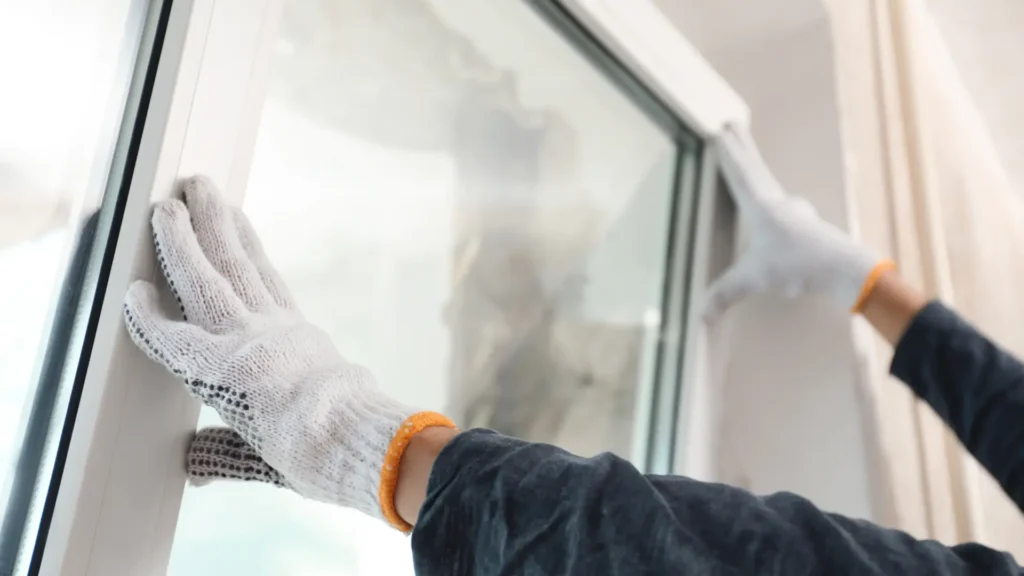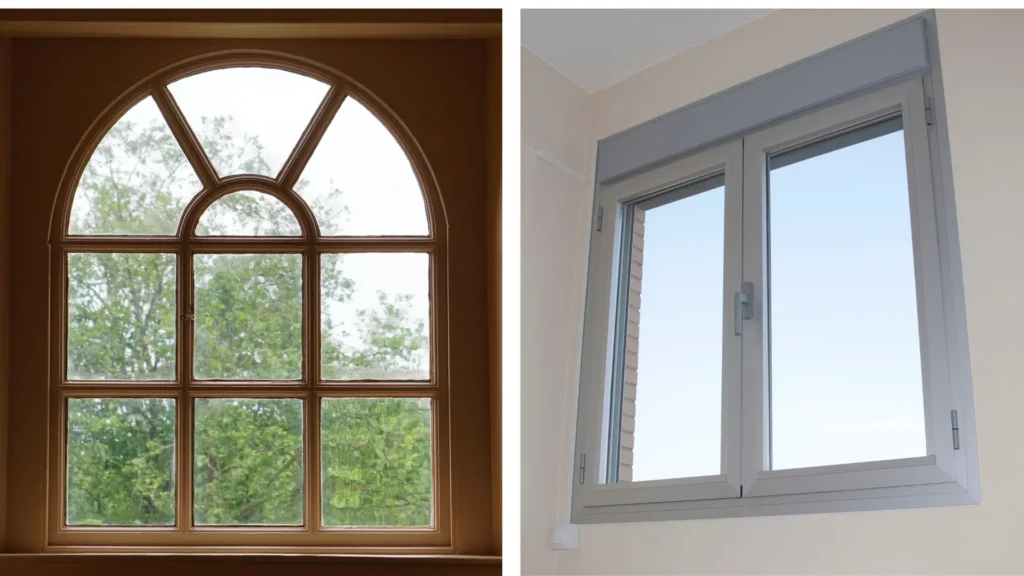


Welcome to our guide on what Low-E glass means for New Zealand homes. Whether you’re building new or upgrading old windows, understanding this energy-saving glass can help you keep your home warmer in winter, cooler in summer, and cut down on power costs. In the next few minutes, you’ll discover how Low-E glass works, the options available in NZ, and tips to choose the right type for your climate and budget.
Low-E glass in NZ is a type of energy-efficient window glass with a thin, invisible coating that reflects heat, keeps homes warmer in winter, cooler in summer, and reduces UV damage to furnishings.
Table of Contents
What Is Low-E Glass?
What “Low-E” Means
Low-E glass, short for low-emissivity glass, has a very thin, invisible coating that helps control the way heat moves through a window. In winter, it reflects heat back into your home to keep rooms warmer without relying as much on heating. In summer, it helps block unwanted heat from the sun, making your home cooler and more comfortable. This balance means you can enjoy a stable indoor temperature year-round while using less energy.
Low-E glass is most effective when used in double glazing. The combination of the special coating, two layers of glass, and the insulating air or gas between them creates a barrier that significantly reduces heat transfer compared to single-pane windows.
How the Coating Works
The coating on Low-E glass is made from a microscopically thin layer of metal or metal oxide. This layer is so fine that it does not affect how the glass looks, but it has a big impact on performance. It works by reflecting long-wave infrared energy (heat) back toward its source.
In winter, heat generated inside your home is reflected back indoors, preventing it from escaping through the windows. In summer, the coating reflects a portion of the sun’s infrared energy away, reducing heat build-up inside. At the same time, it allows most visible light to pass through, so you still get natural daylight without the harsh heat.
The coating also reduces ultraviolet (UV) and infrared (IR) light that can fade furniture, carpets, and artwork over time. While Low-E glass can be used in single glazing, its benefits are far greater in double-glazed units. With double glazing, the coated surface is protected inside the sealed unit, ensuring long-term performance and durability.
Low-E vs Standard Double Glazing
When comparing Low-E glass to standard double glazing, the differences are clear:
- Heat loss: Low-E glass retains more heat inside during winter, improving thermal comfort and reducing heating costs.
- Condensation: Warmer glass surfaces reduce condensation build-up on cold mornings.
- Glare: Certain Low-E coatings can help cut glare without overly darkening the room.
- Fading: Lower UV transmission helps protect interior finishes from sun damage.
A performance table showing U-values (rate of heat loss) and SHGC (Solar Heat Gain Coefficient) can be added here to illustrate the measurable differences between Low-E and standard glass. This makes it easier to compare efficiency and select the right option for your climate and room orientation.

Why Low-E Glass Suits New Zealand Homes
Climate Zones and Orientation
New Zealand’s climate varies widely from the warmer, more humid North Island to the cooler, often harsher winters of the South Island. In northern areas, the goal is often to manage summer heat gain without sacrificing winter warmth. In the south, the focus shifts heavily toward retaining as much heat as possible during long, cold seasons.
Orientation plays a key role in performance. North-facing rooms receive the most sun throughout the day, making them ideal for passive heating in winter. Low-E glass in these areas can help keep that heat indoors at night while still allowing sunlight to flood the space during the day. East-facing rooms benefit from morning sun, which can warm them quickly, while west-facing rooms may need extra solar control to prevent overheating in the afternoon. South-facing rooms generally get little direct sunlight, so Low-E glass here should be chosen to maximise heat retention.
Common NZ Housing Stock
Many older timber-framed homes in New Zealand were built with single glazing, which allows significant heat loss and condensation. Adding Low-E glass through retrofitted double glazing can dramatically improve warmth and comfort in these properties without changing the original character of the home.
Homes built between the 1970s and early 2000s often feature aluminium frames without thermal breaks. While these are durable, they conduct heat easily, leading to energy loss. Installing Low-E double glazing in these frames, ideally combined with thermal breaks, reduces heat transfer and improves efficiency.
In new builds, Low-E glass can be specified from the outset, often alongside argon gas fills and warm-edge spacers, to meet or exceed building code requirements. This allows homeowners to maximise long-term performance and reduce heating and cooling needs from day one.
Low-E glass delivers the biggest gains in homes with large window areas, poorly insulated walls, or in locations with cold winters. It can also make a noticeable difference in urban settings where noise reduction and reduced condensation are priorities.
Energy, Comfort, and Moisture
One of the most immediate benefits of Low-E glass is maintaining a more stable indoor temperature. With the same thermostat setting, rooms feel warmer in winter because less heat escapes through the glass. This not only improves comfort but can also lower heating costs over time.
Condensation is a common problem in New Zealand, especially on cold mornings when indoor air meets a chilly glass surface. Low-E coatings help keep the inner glass surface warmer, reducing the likelihood of condensation forming. This helps maintain clear views, prevents water damage to window frames, and reduces the risk of mold growth.
When paired with laminated glass, Low-E double glazing can also make rooms noticeably quieter. Laminated panes dampen outside noise, while the improved thermal performance of Low-E glass means windows can stay closed more often, further reducing sound intrusion. This is especially beneficial for homes near busy roads or in densely populated areas.

Types Of Low-E Glass And When To Use Them
Low-E glass comes in different forms, each designed to meet specific performance goals. Choosing the right type depends on your climate, home orientation, and whether you are building new or upgrading existing windows.
Soft-Coat (Sputtered) vs Hard-Coat (Pyrolytic)
Soft-coat Low-E glass, also known as sputtered Low-E, is manufactured by applying multiple microscopically thin layers of metal or metal oxide onto the glass in a vacuum chamber. This method creates a coating with very high energy performance, offering lower U-values and better insulation. However, soft-coat Low-E is delicate and must be sealed within an insulated glass unit (IGU) to protect it from damage and oxidation. This makes it ideal for new builds or complete IGU replacements where maximum energy efficiency is a priority.
Hard-coat Low-E glass, or pyrolytic Low-E, is created during the glass manufacturing process by fusing the coating to the hot glass surface. This results in a tougher, more durable coating that can withstand handling and cleaning without being enclosed in an IGU. While it generally offers slightly lower performance compared to soft-coat Low-E, it is well-suited for retrofitting into existing frames or in situations where the glass may be exposed.
Pros of soft-coat Low-E:
- Superior insulation and energy efficiency
- Greater control over solar gain
- Best suited for cold climates and energy-conscious builds
Cons of soft-coat Low-E:
- Must be sealed within an IGU
- More expensive than hard-coat options
Pros of hard-coat Low-E:
- Durable and scratch-resistant surface
- Can be used in single glazing and retrofits
- Generally lower cost than soft-coat
Cons of hard-coat Low-E:
- Slightly lower performance in thermal insulation
- Less control over solar gain compared to soft-coat
Passive Low-E vs Solar Control Low-E
Passive Low-E glass is designed to allow more of the sun’s heat into the home while keeping internal heat from escaping. It typically has a higher Solar Heat Gain Coefficient (SHGC), making it suitable for colder regions or homes with a lot of winter shade. This type of Low-E helps maximise free solar heating during cooler months, which can reduce reliance on artificial heating.
Solar control Low-E glass, on the other hand, is engineered to limit the amount of solar heat entering the home. It has a lower SHGC, which helps keep indoor spaces cooler during summer, especially in sun-exposed areas. This makes it the better choice for warmer climates, coastal regions, or homes with large west- or north-facing windows that receive strong afternoon sun.
When choosing between passive and solar control Low-E, consider both your regional climate and the orientation of each room:
- South Island or colder inland areas: Passive Low-E to maximise winter heat gain
- Northern and coastal regions: Solar control Low-E to minimise overheating
- Mixed climates: A combination of both types in different parts of the home
Laminated, Tinted, and Argon Options
Low-E glass can be enhanced with additional features to improve safety, comfort, and performance.
- Laminated Low-E glass sandwiches the coating between layers of glass and a plastic interlayer. This design adds strength, helps block up to 99% of UV rays, and increases security by holding the glass together if broken. It is particularly useful in ground-floor windows, sliding doors, and areas prone to storms or impact.
- Tinted Low-E glass reduces glare and can help lower solar heat gain. Common tints include grey, bronze, and green, each with varying impacts on visible light transmission. While tinting can make interiors more comfortable in bright conditions, it may slightly reduce natural daylight, so it’s important to balance comfort with lighting needs.
- Argon gas filling is another performance upgrade often paired with Low-E coatings. Argon is a clear, non-toxic gas inserted between glass panes in an IGU to reduce heat transfer. When combined with a warm-edge spacer, a material that insulates the edges of the IGU, argon filling helps lower condensation risk and improves the overall insulating performance of the window.
These combined options allow homeowners to tailor glazing solutions for specific needs, from reducing UV damage in sunny rooms to improving insulation in colder climates. Selecting the right combination will depend on your budget, local weather conditions, and personal comfort priorities.

Key Performance Numbers You Should Know
U-Value, SHGC, and VLT
When comparing Low-E glass options, three performance numbers will help you make an informed choice: U-Value, SHGC, and VLT.
- U-Value measures how much heat passes through the glass. A lower U-Value means less heat escapes in winter and less unwanted heat enters in summer. For example, a standard double-glazed window without Low-E might have a U-Value around 2.8 W/m²·K, while Low-E glass can bring this down to 1.9 or even lower.
- SHGC (Solar Heat Gain Coefficient) indicates how much solar energy passes through the glass. A higher SHGC lets in more warmth from the sun, which is good for colder climates and north-facing rooms in NZ. A lower SHGC reduces heat gain, making it better for warmer regions or west-facing rooms that get intense afternoon sun.
- VLT (Visible Light Transmission) shows how much daylight gets through. This is expressed as a percentage. A high VLT (70% or more) keeps rooms bright, while a lower VLT can reduce glare but may make the space feel dimmer.
Balancing these three values ensures you get energy efficiency without sacrificing comfort or natural light.
What “Good” Looks Like in NZ Context
Low-E double glazing in New Zealand generally falls into the following performance ranges:
- U-Value: 1.4 to 1.9 W/m²·K for high-performance Low-E with argon fill and warm-edge spacers.
- SHGC: 0.4 to 0.7, depending on whether the focus is passive heating or solar control.
- VLT: 65% to 80%, keeping interiors well-lit while improving thermal performance.
For bedrooms, a lower U-Value is key for warmth and comfort, especially in cooler regions. A moderate SHGC helps retain heat without overheating the room in summer.
For living rooms, where natural light and openness are priorities, aim for higher VLT and an SHGC suited to the room’s orientation. North-facing living areas can benefit from a higher SHGC to capture winter sun, while west-facing spaces may need a lower SHGC to prevent overheating in the afternoons.
Building code minimums are a starting point, but they often aim for compliance rather than optimal comfort. Choosing a spec better than the code minimum can deliver noticeable energy savings, reduce condensation, and make your home more comfortable year-round.

Frames, Spacers, And Installation Matter Too
Choosing the right Low-E glass is only part of the equation. The frame, spacer, and installation method all affect how well your windows perform over time. A high-performance glass in a poor frame or with a weak seal can lose much of its efficiency. Here is what you need to know when making decisions for your New Zealand home.
Frame Choices: Timber, uPVC, Thermally Broken Aluminium
- Timber: Offers excellent natural insulation because wood is a poor conductor of heat. It suits traditional and modern homes, especially in colder regions. Timber frames need regular maintenance such as painting or sealing to prevent warping, rot, and moisture damage.
- uPVC: Known for strong thermal performance and minimal upkeep. It resists moisture, does not rot, and often lasts decades with little more than a clean now and then. Colour choices can be limited compared to other frame types.
- Thermally Broken Aluminium: Combines the strength and slim profile of aluminium with an insulating barrier (the “thermal break”) between the inner and outer frame sections. This barrier reduces heat transfer and condensation risk compared to standard aluminium. Maintenance is low, and powder-coated finishes can last many years.
When choosing a frame, balance energy performance with the style of your home, local climate, and your willingness to maintain the material.
Warm-Edge Spacers and Gas Fill
At the edge of a double-glazed unit, the spacer separates the panes and seals in the gas fill. Standard aluminium spacers conduct heat, creating a cold edge that can attract condensation.
- Why warm-edge spacers help: They use materials like stainless steel, foam, or composite instead of pure aluminium. These materials conduct less heat, keeping the inner glass edge warmer and reducing condensation and heat loss.
- Gas fill benefits: In many Low-E units, the gap between panes is filled with argon gas. Argon has lower thermal conductivity than air, improving the insulating performance without affecting visibility.
Common spacer types in New Zealand include stainless steel, structural foam, and thermoplastic spacers. Each has different thermal ratings and price points, so it is worth asking your supplier which one they use.
Professional Installation Checklist
A well-made unit can still fail if installed incorrectly. Ensure your installer follows these essential steps:
- Correct Low-E orientation: The coating should face the correct internal surface within the double-glazed unit to maximise performance for your climate and window orientation.
- IGU sealing: The insulating glass unit (IGU) must be properly sealed to prevent gas leakage and moisture intrusion.
- Drainage and weep holes: Frames should have functioning drainage channels and weep holes to let water escape and protect seals from prolonged exposure.
- On-site glazing and handling: Units should be handled carefully to avoid damage to edges or coatings. Avoid dragging glass across rough surfaces, and protect it from impact during installation.
Paying attention to these details ensures your Low-E glass performs to its potential, lasts longer, and provides the energy savings and comfort you expect.

Cost, Payback, And Value
Ballpark Costs in NZ
The cost of Low-E glass in New Zealand varies depending on whether it is installed during a new build or as part of a retrofit. For a new build, adding Low-E double glazing typically costs around 10–30% more than standard double glazing. For a retrofit, the price per window can be higher due to the labour involved in removing old panes, upgrading frames if needed, and ensuring the unit is sealed correctly.
Several factors drive the price:
- Pane size – Larger windows or sliding doors require more glass and can increase the cost significantly.
- Type of Low-E coating – Soft-coat glass generally costs more than hard-coat glass due to higher energy performance and manufacturing complexity.
- Lamination – Adding a laminated layer for safety or UV protection raises the overall cost.
- Gas fill – Argon gas between panes improves insulation but adds to the manufacturing expense.
Getting quotes from multiple suppliers is the best way to determine the exact cost for your home, as pricing can differ by region and installation method.
Energy Savings and Comfort ROI
Low-E glass delivers measurable energy savings over time. The most noticeable reduction on power bills comes from needing less heating in winter and, in warmer regions, less cooling in summer. Homeowners often see smaller monthly energy bills within the first year after installation.
The value extends beyond energy savings:
- Comfort – Rooms stay warmer in winter without relying solely on heaters, and cooler in summer without running fans or air conditioning constantly.
- Moisture control – By reducing condensation, Low-E glass helps prevent mold and mildew, protecting indoor air quality.
- Fading reduction – Lower UV transmission helps protect carpets, curtains, and furniture from sun damage, extending their lifespan.
While the exact payback period depends on your home’s energy use and climate, many homeowners see a return on investment in 5–10 years, with continued savings beyond that.
When Low-E Pays Off Fast
In certain situations, Low-E glass provides a faster return:
- Cold regions – Homes in areas like Central Otago, Southland, or inland Canterbury benefit greatly from improved heat retention.
- Shaded sites – Properties that get limited direct sunlight stay warmer for longer with Low-E glass.
- Large glass areas – Homes with big windows or doors lose heat quickly; Low-E coatings can significantly slow that loss.
To get the most from your investment, pair Low-E glass with other energy efficiency measures:
- Draught-proofing – Sealing gaps in doors, windows, and walls prevents warm air from escaping.
- Insulation upgrades – Ceiling, wall, and underfloor insulation work alongside Low-E glass to keep temperatures stable.
When these improvements are combined, the benefits multiply, making your home warmer, drier, and more energy efficient all year round.

Choosing The Right Spec: Quick Decision Guide
Selecting the right Low-E glass specification can make a noticeable difference in comfort, energy savings, and the long-term value of your windows. The best choice depends on where you live, how your home is oriented to the sun, the type of rooms you are glazing, and whether it is a new build or retrofit project.
By Region and Orientation
- North Island mild coastal: passive Low-E, moderate SHGC
For areas with mild winters and moderate summers, such as Auckland or Wellington, a passive Low-E coating with a moderate Solar Heat Gain Coefficient (SHGC) works well. It helps retain enough winter warmth while avoiding overheating in summer. This balance supports year-round comfort without compromising natural daylight. - South Island colder zones: stronger Low-E, lower U-value target
In colder climates like Queenstown, Dunedin, or Invercargill, stronger Low-E coatings with a lower U-value are more effective. They minimise heat loss through the glass and help maintain indoor temperatures during long, cold winters. Choosing argon-filled units and thermally broken frames further improves insulation in these regions. - West-facing rooms: consider solar control Low-E to cut afternoon heat
Rooms facing west receive intense afternoon sun, which can lead to overheating in warmer months. A solar control Low-E coating with a lower SHGC helps reduce heat gain without overly reducing visible light. This is particularly useful for living areas or home offices where comfort and glare control are priorities.
By Room Use
- Bedrooms: warm, quiet, low condensation
Bedrooms benefit from Low-E glazing that prioritises insulation and condensation control. Using laminated Low-E glass or pairing it with argon gas can also reduce outside noise, improving sleep quality. - Living areas: daylight priority, balanced SHGC
Main living areas should feel bright and open while maintaining comfort. A balanced SHGC ensures enough winter sun enters without creating excessive summer heat. High visible light transmission (VLT) keeps the space feeling airy. - Bathrooms/kitchens: moisture control, safety glass where needed
These spaces produce more moisture, so reducing condensation is important. Low-E glazing combined with warm-edge spacers can help. Safety glass, such as laminated or toughened, should be used in areas where there is a risk of impact.
By Project Type
- Retrofits: hard-coat or sealed soft-coat IGUs to fit existing frames
If your current frames are in good condition, retrofit double glazing with Low-E glass is a practical option. Hard-coat Low-E glass is durable for handling during installation, while sealed soft-coat insulated glass units (IGUs) offer higher performance where conditions allow. - New builds: soft-coat Low-E + argon + warm-edge + thermally broken frames
For new constructions, the most effective setup combines a high-performance soft-coat Low-E coating with argon gas fill, warm-edge spacers, and thermally broken frames. This combination delivers maximum energy efficiency, comfort, and long-term durability, while meeting or exceeding New Zealand Building Code requirements.

Care, Durability, And Warranties
Cleaning Do’s and Don’ts
Low-E glass requires gentle cleaning to maintain its clarity and coating performance. Always use a soft, lint-free cloth or a clean sponge with mild soapy water. Avoid abrasive pads or strong chemical cleaners, as these can scratch the surface or damage the coating. Never use razor blades, steel wool, or any scraping tools directly on the coated surface, as even small scratches can reduce the glass’s effectiveness and appearance. For best results, follow the manufacturer’s care sheet, which often includes specific product recommendations and cleaning frequency based on your local climate and exposure.
Seal Failures and Fogging
In double- or triple-glazed units, the seal between the panes is critical for keeping out moisture and retaining insulating gases like argon. When a seal fails, moisture can enter the space between the panes, causing fogging, haziness, or visible condensation that cannot be wiped away. This not only affects visibility but also reduces the window’s insulating performance. Common signs of IGU (insulated glass unit) failure include persistent condensation between panes, visible mineral deposits, or distortion in the view. When buying Low-E glass, ask for warranty terms that cover seal failure, including how long the coverage lasts, whether it’s transferable, and if it includes both materials and labour.
Lifespan Expectations
With professional installation and proper maintenance, Low-E double-glazed units in New Zealand typically last between 15 and 25 years. The actual lifespan depends on factors such as frame quality, exposure to extreme weather, and the skill of the installer. Coastal environments with high salt levels may reduce service life unless corrosion-resistant frames and spacers are used. Regular inspections every few years can help detect small issues, like deteriorating seals or frame damage, before they compromise the entire unit. Choosing a reputable installer, following recommended care practices, and ensuring your windows are correctly specified for your location will help you get the longest possible performance from your Low-E glass investment.
Ready to explore more smart ways to improve your home? Visit our homepage to find expert guides, practical tips, and trusted advice tailored for New Zealand homeowners, start your journey today.

FAQs: About What Is Low-E Glass In NZ?
What is Low-E glass and how does it work?
Low-E glass is window glass coated with a microscopically thin, transparent layer that reflects heat while allowing light to pass through. In winter, it reflects heat back into the room to keep it warmer, and in summer, it helps block heat from entering. This improves energy efficiency and comfort year-round.
Is Low-E glass worth it for New Zealand homes?
Yes. New Zealand’s varied climate makes Low-E glass beneficial in both warm and cold regions. It reduces heat loss, helps manage summer heat gain, lowers power bills, and reduces condensation on windows. The value is greater in homes with large glass areas or in colder parts of the country.
Can Low-E glass help reduce condensation?
Low-E glass improves the inner surface temperature of the window, making it less likely for moisture in the air to condense on the glass. This helps keep windows clear and reduces the risk of mould and mildew forming around frames.
What’s the difference between soft-coat and hard-coat Low-E glass?
Soft-coat Low-E glass offers higher energy performance and is applied in a vacuum chamber after the glass is made, but it must be sealed within double glazing. Hard-coat Low-E glass is baked onto the glass during manufacturing, making it more durable and suitable for single glazing or retrofits.
How much does Low-E glass cost in NZ?
Costs vary by glass type, size, and whether it’s part of a new build or retrofit. On average, Low-E double glazing may cost 10–30% more than standard double glazing. Adding argon gas or laminated panes will increase the price further.
Does Low-E glass make a room darker?
No, quality Low-E glass is designed to maintain high visible light transmission. While some coatings may slightly tint the glass, most homeowners won’t notice a significant difference in brightness, especially if the correct type is chosen for the room’s orientation.
Can I retrofit Low-E glass into my existing windows?
Yes, in many cases. Retrofit double glazing can incorporate Low-E glass into your existing frames if they are in good condition. A glazing specialist can assess whether your current frames can accommodate the upgrade.
Which side of the window should the Low-E coating face?
The coating is applied to one of the inner glass surfaces within the double-glazed unit. The exact surface depends on whether you want to retain heat inside or block heat from entering. Installers ensure the coating is on the correct side for optimal performance in your climate.
Does Low-E glass block UV rays?
Yes. Low-E coatings reduce the amount of ultraviolet light entering your home, which helps protect furnishings, carpets, and artwork from fading. While not 100% UV-proof, it significantly lowers exposure.
How long does Low-E glass last?
When installed and maintained correctly, Low-E double-glazed units can last 15–25 years or more. Choosing quality frames, proper sealing, and professional installation can extend the lifespan and maintain performance.
Conclusion
Low-E glass can make your home warmer in winter, cooler in summer, and more comfortable year-round. To get the best results, start by booking an in-home glazing assessment so a professional can evaluate your current windows and recommend the most suitable options. Compare specifications from at least three certified NZ installers to ensure you understand the performance ratings, coatings, and installation methods they offer. Finally, choose a glass type that matches your region’s climate and the orientation of each room, balancing heat retention, solar control, and natural light. The right choice now means more comfort and lower bills for years to come.